
wedding ceremony script pdf
Officiants rely on ready‑made scripts to guide vows, readings, and blessings. Libraries such as the American Marriage Ministries offer downloadable PDFs that cover Christian, non‑religious, and cultural styles. These resources help ensure a smooth, personalized ceremony. Officiants can customize to reflect style.sim
What Is a Wedding Ceremony Script?
A wedding ceremony script is a ready‑made guide that an officiant uses to lead the ceremony from opening remarks to the final kiss. It sets the order of vows, readings, and ring exchange, ensuring each part flows smoothly and emotionally. The script lets officiants keep timing, manage transitions, and add personal touches. It also suggests music, readings, and a closing blessing!!
- Structure: Most scripts begin with an invocation or welcome, proceed to the declaration of intent, include readings or songs, and culminate in the exchange of vows and rings.
- Customization: While many PDFs provide a base template, officiants can edit language, insert family stories or adjust the tone to match the couple’s style.
- Legal Requirements: In many jurisdictions, the script must contain specific wording to be legally binding, such as the declaration of marriage and the officiant’s signature.
- Accessibility: PDF versions are preferred because they preserve formatting, can be printed in full, and are easily shared with the couple and other participants.
For example, the American Marriage Ministries library offers PDF scripts that cater to Christian, non‑religious, and cultural traditions. These resources are downloadable, printable, and include optional sections for personal vows or community blessings. Using a PDF script lets officiants focus on emotional delivery, ensuring a memorable and legally sound ceremony. It can be printed in full, or downloadable!
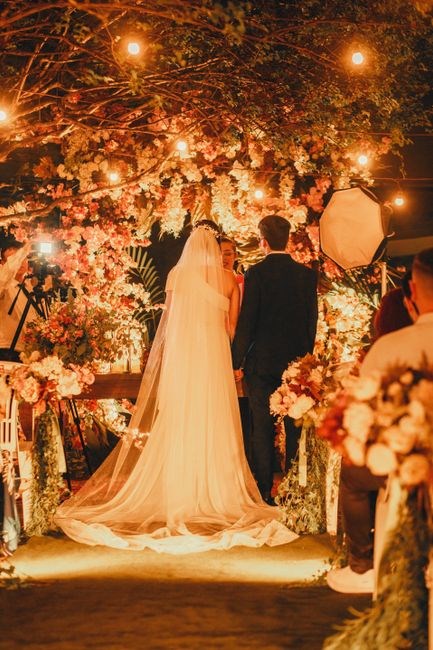
Why PDFs Are Essential for Officiants
PDFs are the standard format for officiants because they preserve layout, fonts, and spacing across devices. Printing from a PDF keeps margins, line breaks, and page numbers consistent, essential for timing and cueing. PDFs also allow annotations, letting officiants add notes or highlight sections without altering the original file for legal records. PDFs enable digital signatures, confirming officiant authenticity now.
PDFs also support universal compatibility. They open on any computer, tablet, or smartphone, and can be shared via email or cloud storage with the couple, witnesses, or venue staff. This eliminates formatting errors that can happen with word processors or online editors, ensuring the ceremony text appears exactly as intended during rehearsal and on the day.
Legal compliance is another benefit; Many jurisdictions require specific wording in the officiant’s declaration and a signed marriage license. PDF scripts from reputable libraries, like American Marriage Ministries, are pre‑formatted to meet these standards, reducing the risk of a ceremony being invalidated. Officiants can trust the PDF to satisfy legal requirements.
Version control is also valuable. Officiants can keep a master PDF and create personalized copies for each wedding without altering the original. This makes it easier to track revisions, maintain consistency across ceremonies, and archive past scripts for future reference, ensuring every ceremony is both unique and legally sound.

Types of Wedding Ceremony Scripts
Officiants can choose from Christian, non‑religious, and traditional cultural scripts, each available as downloadable PDFs. These templates provide structure, legal wording, and customizable sections for vows, readings, and blessings, ensuring a smooth ceremony. They provide a checklist for ceremony logistics.!

Christian Ceremony Scripts
Christian officiants often rely on PDF libraries that blend biblical passages, traditional liturgy, and contemporary language. The American Marriage Ministries (AMM) library hosts over 40 ready‑to‑use templates, each vetted for legal compliance and theological soundness. These PDFs contain opening prayers, scripture readings, vows, and the sealing rite, enabling personalization while preserving doctrinal integrity.
Each template begins with a welcoming address that acknowledges family and friends, followed by a short sermon or reflection tying the couple’s story to biblical themes such as covenant, love, and stewardship. The script guides the officiant through the exchange of vows, offering suggested wording for both traditional and modern couples. After the vows, a blessing, communal prayer, or moment of silence can be inserted, all pre‑formatted for ease of delivery.
A major advantage of these PDFs is flexibility. Officiants can edit the text directly, insert personal anecdotes, or replace scripture passages to suit denominational preferences. The AMM library also offers a “Custom Script” option, where users upload their own text and receive a polished PDF layout. Each script includes a “Legal Notice” confirming the ceremony’s validity under state law, eliminating the need for paperwork.
For those seeking a traditional liturgical experience, the library provides “Classic” and “Evangelical” styles, with hymns, scripture readings, and a structured order of service. Couples preferring a contemporary approach can choose “Modern” or “Non‑Religious” Christian templates that emphasize personal vows and minimal ritual. All PDFs are downloadable in high resolution, ensuring crisp printouts for officiants and clear visibility for guests.
Non‑Religious Ceremony Scripts
Non‑religious officiants require flexible, legally valid scripts that honor love without doctrinal language. The American Marriage Ministries (AMM) library supplies PDF templates for secular couples, offering customizable vows, readings, and symbolic rituals. Each template begins with a welcoming address, followed by a brief reflection on partnership and commitment.
These PDFs outline a clear structure: opening remarks, a “reading” section for poems or personal stories, the exchange of vows, a unity ceremony (e.g., candle lighting or sand mixing), and a closing affirmation. The language is inclusive, avoiding religious references while conveying depth and ceremony.
Officiants can edit the text in a word processor, then re‑export to PDF, ensuring a professional, personalized final document. The AMM library also offers a “Custom Script” service: upload your own text and receive a polished PDF layout ready for printing. All scripts include a legal statement confirming the marriage’s validity under state law, eliminating paperwork hassles.
In short, non‑religious ceremony scripts in PDF format give officiants a reliable, legally sound foundation, while allowing personalization to reflect each couple’s unique journey and values.
Couples often choose to incorporate personal rituals—such as a unity sand ceremony, hand‑fastening, or a moment of silence—to symbolize their shared commitment. These optional elements can be seamlessly inserted into the PDF template, allowing the officiant to tailor the ceremony to the couple’s preferences while maintaining a cohesive flow.
High‑resolution PDFs print cleanly on any printer, letting guests read easily. Officiants can also keep the PDF on a tablet or laptop for navigation during the ceremony.
Traditional Cultural Scripts
Traditional cultural scripts capture the heritage and symbolism of a couple’s ancestry. In the American Marriage Ministries library, PDF templates are available for Jewish, Hindu, Chinese, Mexican, and other customs. Each script begins with a culturally specific welcome, followed by customary readings and rituals that honor lineage and community.
For example, a Jewish ceremony PDF includes the Sheva Brachot blessings, the signing of the ketubah, and the breaking of the glass. A Hindu PDF offers the garland exchange, the fire ceremony, and the chanting of mantras. Chinese PDFs feature tea‑serving rituals, the “red envelope” blessing, and the traditional “double happiness” motif.
These PDFs are fully editable, allowing officiants to adjust names, dates, and personal vows while preserving the ritual’s integrity. Legal language is embedded to satisfy state marriage statutes, ensuring the ceremony is recognized by civil authorities. Officiants can print the PDF on high‑quality paper or display it on a tablet for a modern touch.
Couples often request a blend of tradition and personalization; the AMM service lets them incorporate family stories or contemporary vows into the cultural framework. The result is a ceremony that feels both authentic and uniquely theirs, all within a single, professionally formatted PDF.
These PDFs support multilingual options, allowing officiants to translate for guests who speak different languages. The layout is clean ensuring every word is legible, making the ceremony flow smoothly.

Where to Find PDF Scripts
Find ready‑made wedding ceremony PDFs at the American Marriage Ministries library, browse online officiant sites, or join community forums like Reddit’s r/weddingplanning for shared templates. These sources offer Christian, non‑religious, and cultural scripts. for free. share.
American Marriage Ministries Library
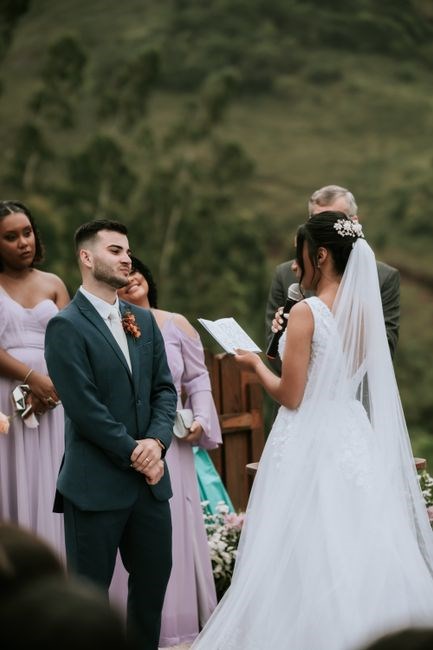
The American Marriage Ministries (AMM) library is a premier source for officiants seeking polished, versatile wedding ceremony scripts in PDF format. With over 40 distinct templates, AMM offers traditional Christian rites, contemporary non‑religious ceremonies, and culturally specific options, each crafted by seasoned clergy and professional writers. The interface is user‑friendly: after creating a free account, officiants can filter scripts by style, length, or specific elements such as vows, readings, or cultural rituals. Each PDF contains a clear, step‑by‑step outline, suggested wording, and optional variations, allowing the officiant to tailor the ceremony to the couple’s narrative while maintaining a cohesive structure. AMM also supplies supplementary tools, including a built‑in PDF editor that lets users highlight passages, add personal notes, or insert custom readings without altering the original layout. A community forum lets officiants discuss script adaptations, share feedback, and request new templates. Accessibility is a priority: all PDFs are optimized for desktop and mobile viewing, and the search function supports keyword queries for quick location of specific lines. The “Script Builder” feature lets officiants assemble a custom ceremony from scratch by selecting individual segments from the library’s database and compiling them into a single PDF. For those preferring a curated experience, AMM offers a subscription plan granting unlimited access to the entire script collection, priority support, and early notifications of new releases. Whether officiating a small, intimate gathering or a grand celebration, the American Marriage Ministries Library equips officiants with professional, flexible resources to deliver a memorable, heartfelt ceremony. Users can export the PDF to a USB drive or cloud storage for easy transport!
Online Officiant Resources
For officiants seeking downloadable PDF scripts, a variety of online platforms provide extensive libraries, templates, and customization tools. The most prominent source is the American Marriage Ministries website, which offers a free, searchable catalog of over 40 ceremony scripts ranging from traditional Christian rites to modern non‑religious formats. Users can filter by length, style, or specific elements such as vows, readings, or cultural rituals, and each PDF includes a clear outline, suggested wording, and optional variations. In addition to AMM, OffbeatBride.com hosts a comprehensive “Wedding Ceremony 101” section that curates scripts from multiple publishers, allowing officiants to compare wording and structure side‑by‑side. The site also offers a “Script Builder” feature where officiants can assemble a custom ceremony by selecting individual segments from the database and compiling them into a single PDF file. Another valuable resource is the WeddingWire officiant marketplace, where experienced clergy and professional writers sell bespoke ceremony packages, often in PDF format, that can be downloaded and printed. For those who prefer a community‑driven approach, Reddit’s r/weddingplanning subreddit hosts frequent threads where officiants share free PDF scripts, discuss best practices, and provide feedback on each other’s drafts. officiant licensing maintain portals that include PDF templates compliant with local marriage laws, ensuring that the ceremony meets legal requirements while still allowing for personalization.
Community Forums and Reddit
Officiants often turn to community forums for peer‑reviewed PDF scripts, feedback, and creative ideas. The r/weddingplanning subreddit hosts frequent threads where members share free downloadable PDFs, discuss wording nuances, and troubleshoot legal compliance. Users can post requests for custom scripts, and experienced officiants respond with tailored PDF templates. Community boards on sites like WeddingWire and OffbeatBride feature user‑submitted scripts that are openly available for download. These forums also provide a platform for officiants to exchange best practices, such as how to adapt a traditional Christian script into a non‑religious ceremony while retaining meaningful elements. Additionally, many forums host Q&A sessions where newcomers can ask about PDF formatting, printing tips, and how to incorporate cultural rituals. The collaborative nature of these communities ensures that officiants have access to a wide range of PDF resources, from classic vows to modern, inclusive language, all shared in a supportive, peer‑reviewed environment. This collaborative spirit empowers officiants to adapt scripts, resonates joy!!. all
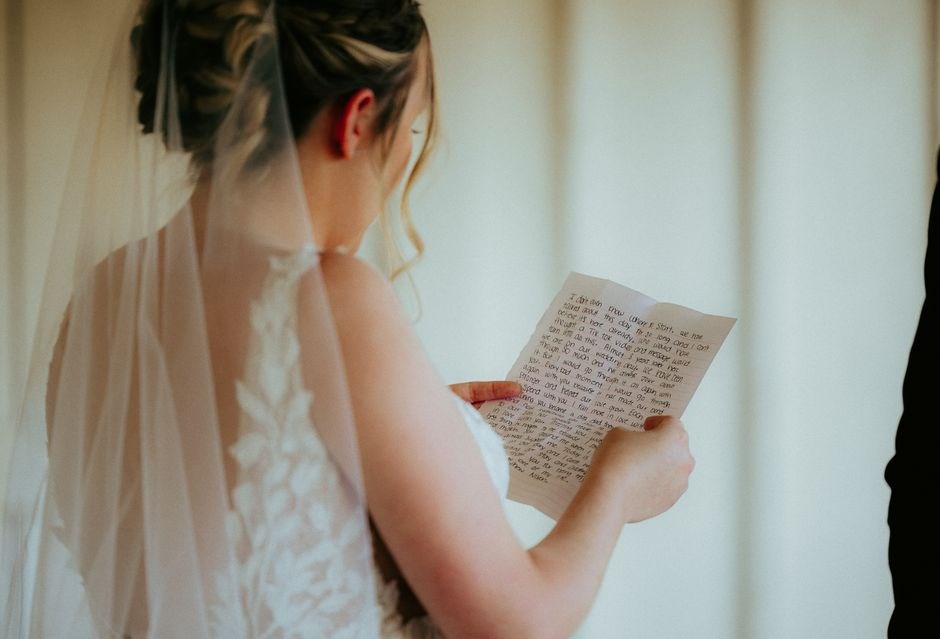
Downloading and Using PDF Scripts
Download wedding ceremony PDFs from sites like American Marriage Ministries, OffbeatBride, or Reddit threads. Click the PDF link, save to device, then print double‑sided for officiant use. Ensure PDF is legible, adjust margins, and keep a backup copy for emergencies. Print on quality paper and rehearse. OK! please
Step‑by‑Step Download Process
Navigate to a reputable source such as the American Marriage Ministries Library, OffbeatBride, or a trusted Reddit thread (e.g., r/weddingplanning). 2. Locate the “Wedding Ceremony Script PDFs” section. 3. Click the PDF link labeled “Download” or “View PDF.” 4. A new browser tab will open the PDF viewer. 5. Verify the document’s title, officiant name, and ceremony type to ensure it matches your needs. 6. Click the download icon (usually a downward arrow) in the viewer toolbar. 7. Choose “Save As” and select a folder on your computer or cloud drive. 8. Rename the file to include the couple’s names and ceremony date for easy retrieval. 9. Close the viewer tab. 10. Open the saved PDF with a PDF reader (Adobe Acrobat, Preview, or a browser). 11. Print the document using a color printer if you prefer a colored header, otherwise use black‑and‑white. 12. Set the printer to double‑sided, page size A4 or Letter, and choose high‑quality paper. 13. Print a test page to confirm alignment and legibility. 14. Trim any excess margins if necessary. 15. Store the printed script in a waterproof folder or a digital backup on a USB drive. 16. Rehearse the ceremony using the printed script, marking key transitions with sticky notes. 17. On the wedding day, bring the printed script, a backup copy, and a pen for any last‑minute edits. 18. After the ceremony, archive the PDF and printed copy for future reference or to share with the couple. This systematic approach ensures you have a reliable, ready‑to‑use wedding ceremony script in PDF format, ready for any officiant’s needs. Before the ceremony, rehearse with the officiant team, marking any sections that may need adjustment for timing or personal touches. Remember to keep the PDF in a secure location and share a copy with the couple before the ceremony to avoid any surprises.
Printing Tips for Officiants
When printing a wedding ceremony script PDF, use a high‑resolution printer set to 300 dpi to preserve decorative borders. Choose thick, matte or semi‑gloss paper (120–160 gsm) to prevent ink bleed. Print single‑sided unless a booklet is desired, and align the PDF’s page size with your printer’s default (A4 or Letter). Preview to confirm images, line breaks, and page numbers. Print in color if the script includes colored text; otherwise, black‑and‑white saves ink. Staple the pages along the left edge or bind with a ring binder for durability. Trim excess paper for clean edges. Store the printed script in a waterproof folder or a digital backup on a USB drive for quick access. Rehearse using the printed copy, marking transitions with sticky notes or a highlighter for a smooth flow and helps flow!
For officiants who prefer a digital backup, save the PDF to Google Drive or Dropbox and download it to a tablet or smartphone. This allows quick reference or last‑minute edits without paper loss. Print a duplicate copy in a different font or layout as a contingency. If the ceremony involves a live audience, printing a larger handout version for guests can enhance engagement. Test print a single page first to ensure color fidelity and correct orientation before printing the full run.
Printing a larger handout version for guests can enhance engagement. Test print a single page first to ensure color fidelity and correct orientation before printing the full run.
When selecting a printer, opt for one that supports duplex printing and has a built‑in scanner if you need to digitize the final script for archival purposes. Use the printer’s “Print Quality” setting labeled “Best” or “High Quality” rather than “Draft” to avoid smudged ink. If using a home printer, check the ink levels and replace cartridges before printing to prevent uneven coloration. For large ceremonies, consider outsourcing the printing to a professional service that offers binding, embossing, or foil stamping for an extra touch of elegance. Label each page with the couple’s names and ceremony date on the top margin to aid organization.