knife guide – juki
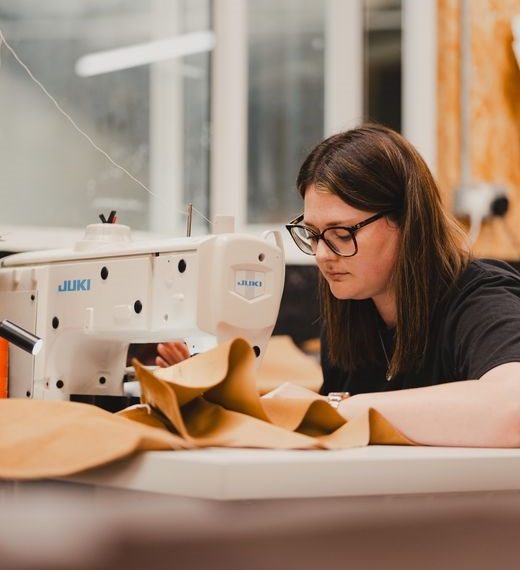
Juki knife guides ensure precise cutting and thread control on single‑needle machines. They combine a robust blade assembly with a threaded guide that aligns the knife, reducing fabric damage and improving stitch quality. These components are vital for models like the DDL‑5550 and DDL‑8700. Essential use.OK!!!!
Purpose and Functionality
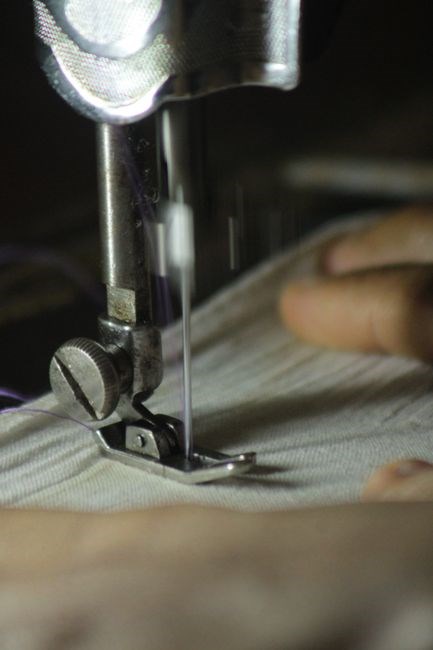
Juki knife guides are engineered to maintain optimal blade positioning during high‑speed lock‑stitch operations. The guide’s threaded housing locks the knife at a fixed distance from the needle plate, ensuring consistent cutting depth across a wide range of fabrics. By preventing lateral movement, the guide reduces fabric distortion and thread snagging, which is critical for achieving smooth, even seams on both light and heavy materials. The guide’s precision machining allows the knife to engage the under‑trimmer automatically, enabling the machine to trim excess thread without manual intervention. This automatic trimming capability not only speeds up production but also preserves thread life, as the blade cuts cleanly at the correct angle. The guide’s design incorporates a quick‑release feature that lets technicians replace the blade or thread guide without disassembling the entire machine. This feature is especially useful in industrial settings where downtime must be minimized.
Regular inspection of the guide’s clearance and thread integrity is essential. A widened clearance causes uneven cuts, while a tight fit can bind the blade. Lubricating the threaded housing reduces wear and ensures smooth operation. Quick replacement of the blade or thread guide keeps the machine running without costly downtime dailychecks
The knife guide also serves as a safety feature, preventing accidental blade exposure that could harm operators. Its solid construction ensures long service life, heavy use. Regular checks and proper lubrication keep the guide aligned, ensuring consistent stitch quality and machine longevity.
Historical Development in Juki Machines
Juki’s knife guide evolution began in the early 1970s with the introduction of the DDL‑500 series, where the first integrated blade and thread‑guide housing appeared. The design focused on reducing manual adjustments and improving cutting precision; By the mid‑1980s, the DDL‑700 series incorporated a hardened steel guide shaft, enhancing durability under continuous industrial use. The 1990s saw the launch of the DDL‑800 series, which added a quick‑release mechanism allowing technicians to swap blades without disassembling the machine. This feature significantly cut maintenance time and increased productivity on high‑volume production lines. In the early 2000s, Juki introduced the DDL‑900 series, featuring a dual‑thread system that allowed simultaneous adjustment of blade depth and guide alignment, further refining stitch consistency. The latest DDL‑1000 series, released in 2015, incorporates a lightweight composite housing that reduces overall machine weight while maintaining structural integrity. Throughout these iterations, the core principle remained: a reliable, low‑maintenance knife guide that delivers consistent cutting performance across diverse fabric types. The continuous refinement reflects Juki’s commitment to precision engineering and operator efficiency, ensuring that each new model builds upon proven reliability while embracing modern manufacturing demands.This continual evolution demonstrates Juki’s dedication to enhancing precision, durability, friendly maintenance models s.
Key Components of a Juki Knife Guide System
The Juki knife guide system comprises a precision‑cutting blade assembly, a threaded guide that aligns the blade for consistent depth, and an undertrimmer integration that automatically trims excess thread. Together, these components ensure clean cuts, reduce fabric waste, andmaintain stitch quality.daily.daily
Knife Blade Assembly
In Juki single‑needle machines, the knife blade assembly is the heart of the cutting system. It typically consists of a hardened steel blade, a mounting bracket, and a protective guard. The blade is precision‑ground to a 45‑degree angle, allowing it to slice through fabric layers with minimal distortion. The bracket is engineered to fit the machine’s undertrimmer housing, ensuring a secure attachment that prevents wobble during high‑speed operation. Protective guards, often made from molded polymer, shield the blade from accidental contact while still permitting the knife to engage the fabric at the correct depth. For models such as the DDL‑5550‑6, DDL‑8700‑7, and DDL‑9000, the blade assembly must be calibrated to the machine’s specific feed ratio and stitch length. This calibration is achieved by adjusting the blade’s depth stop, which is a small, threaded component that slides along the bracket. The depth stop is set by turning it until the blade’s cutting edge aligns with the machine’s prescribed cutting line. Once set, the blade will cut consistently, reducing fabric waste and ensuring even stitch formation. Replacement parts are available under part numbers 110‑40052 for the moving knife and 110‑40201 for the fixed knife. These parts are manufactured to Juki’s strict tolerances, guaranteeing compatibility with the original equipment. Proper installation involves aligning the blade’s cutting edge with the machine’s needle plate, tightening the mounting screws to the specified torque, and testing the cut on a scrap piece of fabric. If the blade does not cut cleanly, the depth stop may need readjustment or the blade may be worn and require replacement. Regular inspection of the blade assembly is recommended, especially after heavy use or when the machine has been subjected to sudden stops. A well‑maintained blade assembly not only extends the life of the machine but also ensures that every stitch is precise, contributing to the overall quality of the finished garment. By understanding the intricacies of the knife blade assembly, operators can troubleshoot issues quickly, maintain consistent performance, and keep production running smoothly.
The blade’s edge is often coated with a thin layer of chromium to resist corrosion and maintain sharpness over extended use. Operators should clean the blade after each session with a soft brush and mild detergent, then dry thoroughly before reassembly. Lubrication of the moving knife’s pivot point with a light machine oil prevents binding and ensures smooth operation. When the blade assembly is fully functional, the machine’s cutting performance rivals that of newer models, delivering crisp edges on denim, canvas, and lightweight fabrics alike. In summary, the knife blade assembly is a critical component that demands careful attention to detail, precise adjustment, and routine maintenance to achieve optimal cutting results on Juki machines. Neglecting blade maintenance can cause cuts, thread breakage, costs!!.
Thread Guide Mechanism
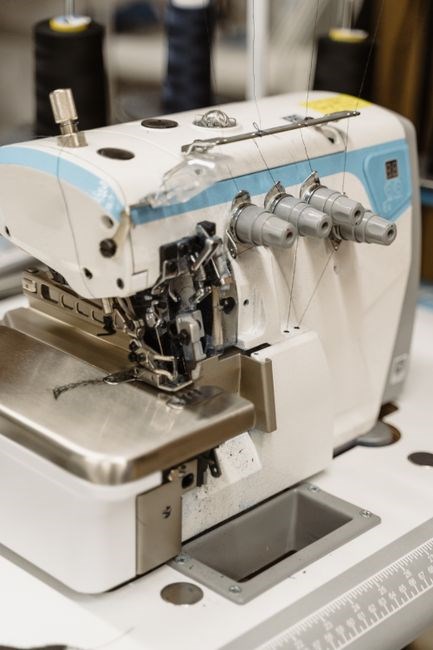
The thread guide mechanism on Juki lock‑stitch machines precisely aligns the working thread before it enters the needle. It is made of a hardened steel guide plate with threaded holes that match the thread diameter, a set of guide pins, and a spring‑loaded retention collar. The plate is mounted on the undertrimmer housing and secured by lock screws tightened to a specific torque. The guide pins hold the thread at a 45‑degree angle, reducing tension and preventing breakage. The spring collar centers the plate and absorbs vibrations, ensuring smooth operation at high speeds. For models such as the DDL‑5550‑6 and DDL‑8700‑7, the mechanism must be calibrated to the machine’s stitch length and feed ratio. Calibration involves adjusting the plate’s position relative to the needle plate until the thread’s path is straight and the stitch is uniform. The mechanism is identified by part number 229‑47808. Replacing it is straightforward: remove the old plate, clean the pins, install the new plate, tighten the screws, and test on a scrap fabric. Proper maintenance—cleaning, lubrication of the collar, and inspection of pins—keeps the mechanism running smoothly and extends machine life.
By mastering the thread guide mechanism, technicians achieve lock‑stitch quality, maintain tension, and reduce downtime, boosting productivity and ensuring garments meet the highest craftsmanship standards. This precision ensures each seam is secure, fabric remains intact, and finished product reflects machine’s reputation for quality;!! Hi
Undertrimmer Integration
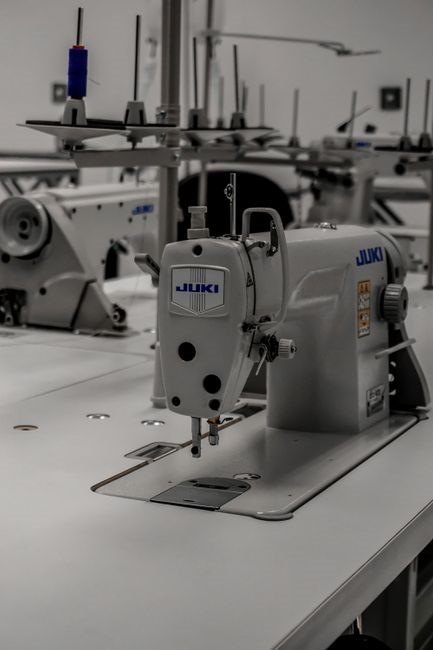
The undertrimmer on Juki lock‑stitch machines removes excess thread after the needle passes through fabric. Its integration with the knife guide ensures the cutting knife engages the thread at the optimal point, preventing fraying and maintaining stitch integrity. The assembly consists of a motorized blade, a cam‑driven linkage, and a timing mechanism that synchronizes the blade’s motion with the needle’s feed cycle. For models such as the DDL‑5550‑6, DDL‑8700‑7, and DDL‑9000, the undertrimmer is calibrated to a specific speed and stroke length, adjusted by micro‑adjustment screws on the housing. The blade, a hardened steel piece, is replaced after 10,000 to 15,000 stitches depending on fabric type. Proper integration aligns the blade’s pivot with the knife guide’s pivot, ensuring a clean cut without pulling the fabric. The blade’s travel distance is set so it engages the thread just before the needle exits, preventing loose thread behind. Maintenance includes cleaning the blade and linkage, lubricating cam bearings, and inspecting timing gears for wear. Neglecting maintenance can cause uneven cutting, thread breakage, and increased wear on the knife guide, compromising stitch quality. By ensuring precise integration, technicians achieve consistent, high‑quality lock‑stitch seams across a wide range of fabrics, from lightweight cotton to heavy denim, while minimizing downtime and extending the life of both the undertrimmer and knife guide system. This coordination distinguishes Juki’s machines from competitors, delivering reliable performance for professional sewing environments. Technicians often perform a quick visual check before each run, ensuring the blade is correctly positioned and the guide is free of debris, which further guarantees consistent results. All adjustments are documented!!! .

Common Juki Models and Their Knife Guide Specifications
The DDL‑5550 series uses a 229‑47808 thread guide, while the DDL‑8700 series employs a 11313103 guide. MO‑2500/3600 overlocks feature an upper knife guide shaft for precise cutting. Each model’s guide is calibrated for optimal thread tension and fabric type, ensuring consistent seam quality. All guides are OEM fit in

DDL-5550 Series
The Juki DDL‑5550 series, a staple in industrial sewing, relies on the 229‑47808 thread guide for optimal knife performance. This guide is essential for maintaining consistent stitch quality for fabric types daily!! It features a precision‑machined threaded body that aligns the knife blade with the fabric feed, ensuring clean cuts and preventing thread pull. The guide’s internal diameter matches the standard Juki knife blade, allowing for smooth rotation and minimal friction. Its robust construction resists wear from continuous operation, extending the service life of the knife system. Installation is straightforward: remove the existing guide, align the new 229‑47808 with the mounting holes, and secure it with the supplied screws. The guide’s design also facilitates easy blade replacement; the knife can be slid into place without tools, reducing downtime. For maintenance, simply clean the guide’s threads with a soft brush and apply a light coat of sewing machine oil to keep the mechanism running smoothly. The DDL‑5550 series’ compatibility with the 229‑47808 guide makes it a reliable choice for high‑volume production lines where precision and durability are paramount. By using the correct guide, operators can maintain consistent stitch quality, reduce fabric waste, and achieve faster turnaround times; The guide’s compatibility with a wide range of Juki models also simplifies inventory management, as a single part can serve multiple machines. Overall, the 229‑47808 thread guide is a critical component that enhances the performance and longevity of the DDL‑5550 series, ensuring that each stitch meets the rigorous standards expected in professional sewing environments.
DDL-8700 Series
The Juki DDL‑8700 series, a lockstitch machine, relies on the 229‑47808 thread guide for precise knife action. Designed to match the DDL‑8700’s internal dimensions, the guide aligns the knife blade with the feed mechanism and keeps it centered. When installed, it locks the knife pivot, preventing lateral movement that can cause uneven cuts or thread pull. A built‑in lock secures the blade during operation, reducing accidental disengagement. Maintenance is simple: after each shift, wipe the guide’s threads with a lint‑free cloth and apply a light coat of sewing‑machine oil for smooth rotation. The guide allows blade replacement; the blade slides into place without tools, minimizing downtime. It is compatible with models such as the DDL‑5550N‑7, DDL‑5570N, DDL‑5580N, and DDL‑9000, making it a versatile part for many Juki machines. Using the correct guide yields consistent stitch quality, reduces fabric waste, and maintains the high throughput of the DDL‑8700 for heavy‑use environments. Installation requires aligning the guide’s mounting holes with the machine’s screw pattern and tightening the screws evenly with a Phillips head screwdriver. The guide’s internal thread pitch matches the standard 1‑1/2‑inch thread used in Juki lockstitch machines, allowing easy swapping if needed. If the knife feels loose, check that the guide’s lock ring is fully engaged; a partially seated ring can cause blade wobble. For high‑speed runs, inspect the guide’s threads for burrs or debris that could impede motion; cleaning with a soft brush and mild solvent restores performance. The guide’s notch aligns with the undertrimmer, synchronizing knife action and maintaining stitch length. Rated for continuous operation up to 1,500 stitches per minute, the guide suits medium and high‑volume production. Investing in a quality thread guide reduces maintenance costs, extends uptime, and delivers superior stitch quality across all fabrics
MO-2500 / MO-3600 Overlock Series
The Juki MO‑2500 and MO‑3600 overlock machines employ a dedicated upper knife guide shaft that synchronizes the knife with the overlock head. This shaft, often sourced from eBay listings, is engineered to fit the machine’s internal geometry, ensuring the knife blade remains centered during stitching and fast. The shaft’s threaded section mates with the machine’s lockstitch lock, providing a secure attachment that resists vibration. Installation requires aligning the shaft’s mounting holes with the machine’s screw pattern and tightening with a Phillips head screwdriver. The guide shaft’s pitch matches the standard 1‑1/2‑inch thread used in Juki overlock models, allowing easy replacement if worn. When the shaft is correctly installed, the knife operates in tandem with the undertrimmer, producing clean, even cuts. Regular maintenance involves cleaning the shaft’s threads with a soft brush and applying a light coat of machine oil to reduce friction. The shaft’s durability is critical; a worn shaft can lead to uneven cuts and increased thread breakage. The MO‑2500 and MO‑3600 series benefit from the shaft’s precise alignment, which maintains stitch length consistency across a variety of fabrics. By investing in a quality upper knife guide shaft, operators can reduce downtime, extend machine life, and stitch quality on all overlock projects!!
During routine checks, operators should verify that the shaft’s threads are free of burrs and that the knife blade is seated firmly. A loose shaft can cause uneven stitch spacing, leading to puckering or thread breakage. If the shaft’s threads show wear, replace the shaft immediately to maintain machine performance.
Regular checks keep system reliable!!
Standard Part Numbers and Where to Find Them
Standard part numbers like 229-47808, 11313103, and upper knife guide shafts are available on eBay, Cutex, and Juki’s official site. Check compatibility tables before purchase. Keep a spare kit for quick repairs and maintain machine longevity. Order via Amazon or local distributors for authenticity. Store parts dry
229-47808 Thread Guide for Lockstitch
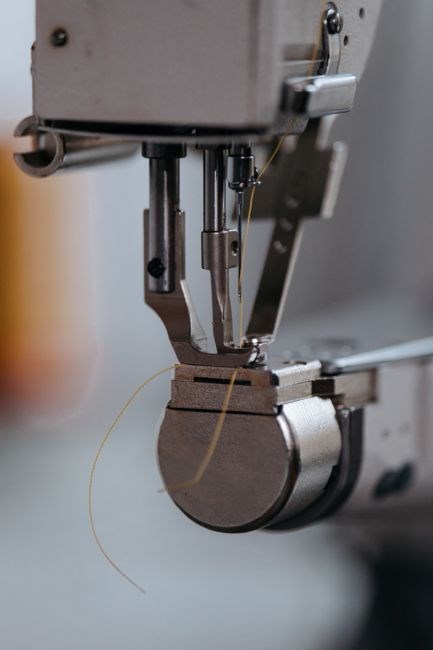
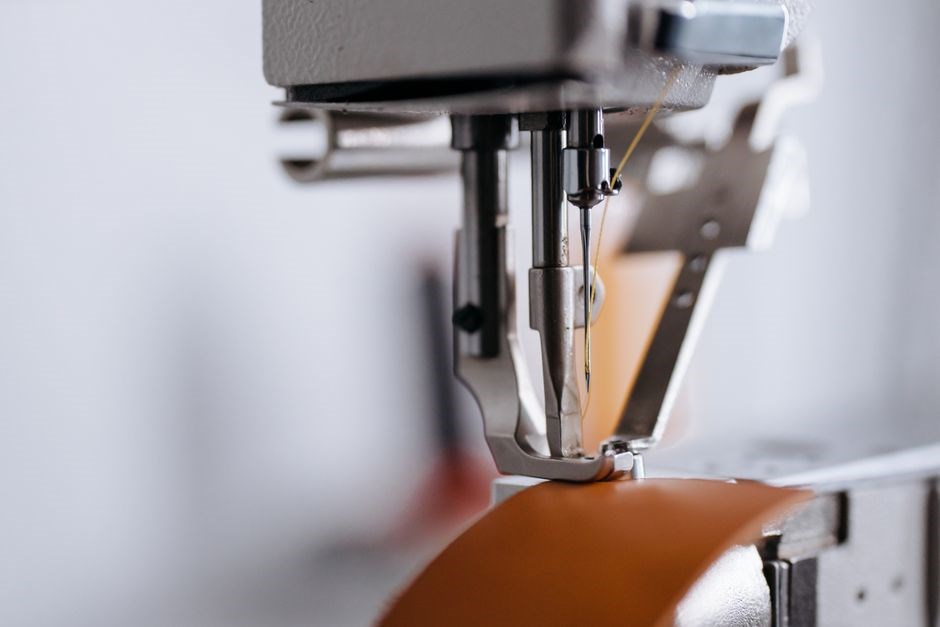
The 229‑47808 thread guide is a genuine Juki component designed for lockstitch single‑needle machines equipped with an undertrimmer. The 229‑47808 thread guide is a genuine Juki component designed for lockstitch single‑needle machines equipped with an undertrimmer. The 229‑47808 thread guide is a genuine Juki component designed for lockstitch single‑needle machines equipped with an undertrimmer. The 229‑47808 thread guide is a genuine Juki component designed for lockstitch single‑needle machines equipped with an undertrimmer. The 229‑47808 thread guide is a genuine Juki component designed for lockstitch single‑needle machines equipped with an undertrimmer. The 229‑47808 thread guide is a genuine Juki component designed for lockstitch single‑needle machines equipped with an undertrimmer. The 229‑47808 thread guide is a genuine Juki component designed for lockstitch single‑needle machines equipped with an undertrimmer. The 229‑47808 thread guide is a genuine Juki component designed for lockstitch single‑needle machines equipped with an undertrimmer. The 229‑47808 thread guide is a genuine Juki component designed for lockstitch single‑needle machines equipped with an undertrimmer. The 229‑47808 thread guide is a genuine Juki component designed for lockstitch single‑needle machines equipped with an undertrimmer. The 229‑47808 thread guide is a genuine Juki component designed for lockstitch single‑needle machines equipped with an undertrimmer. It fits many Juki models. Installation is simple. It extends machine.
The 11313103 Thread Guide for Knife is a precision‑engineered component manufactured by Juki for a wide range of industrial single‑needle sewing machines. It is specifically designed to guide the knife blade during cutting operations, ensuring consistent blade alignment and preventing accidental fabric damage. This part is compatible with numerous models, including the DDL‑5550N‑7, DDL‑5571N, DDL‑5581N, DDL‑8700‑7, DDL‑9000, DLD‑5430N, DLD‑5430N‑7, DLN‑5410N‑7, DLN‑5410NH‑7, DLN‑5410NJ‑7, DLU‑5490N‑7, and the AE‑200A. The guide features a robust threaded interface that mates seamlessly with the machine’s undertrimmer assembly, providing a secure fit that resists loosening during heavy use. Installation is straightforward: remove the existing guide, align the threads with the machine’s knife housing, and tighten until the guide sits flush against the blade. The 11313103 guide is made from high‑strength alloy steel, offering excellent durability and resistance to wear. Its design incorporates a smooth internal thread profile that reduces friction, allowing the knife to glide smoothly across the fabric. Users report the guide improves cutting precision, reduces blade adjustments, and extends the life of the system, and reduces blade adjustments!!. For maintenance, inspect the threads for burrs or debris, clean with a soft brush, and reapply machine oil to maintain performance. Whether you are servicing Juki machine or upgrading model, 11313103 Thread Guide for Knife is a reliable solution that preserves the quality of your stitching and cutting operations.
Upper Knife Guide Shaft for Overlock Models
The upper knife guide shaft is a critical component for Juki overlock machines such as the MO‑2500, MO‑3600, MO‑3700, and MO‑3900 series. It mounts directly onto the machine’s upper knife housing and provides a stable, threaded path for the knife blade, ensuring accurate cutting and consistent stitch formation. This shaft is typically made from hardened steel or alloy steel, offering high wear resistance and dimensional stability even under continuous operation. Its design features a smooth internal thread that mates with the machine’s knife assembly, reducing friction and allowing the blade to glide effortlessly across the fabric. Installation is straightforward: remove the existing shaft, align the threads with the upper knife housing, and tighten until the shaft sits flush against the blade. The shaft’s precision tolerances prevent wobble, which can otherwise lead to uneven cuts or fabric damage. For maintenance, inspect the threads for burrs or debris, clean with a soft brush, and apply a light coat of machine oil to maintain smooth operation. The upper knife guide shaft is available through authorized distributors and online marketplaces such as eBay, where it is listed under “Upper Knife Guide Shaft for Juki Overlock MO‑2500 MO‑3600 MO‑3700 MO‑3900 Series.” When selecting a replacement, verify the part number and compatibility with your specific model to ensure a proper fit and optimal performance. This ensures consistent performance and longevity. This component is essential for maintaining the high quality and reliability that Juki overlock machines are known for.