acticoat ifu pdf
Acticoat IFU PDF Overview
Acticoat IFU PDF provides comprehensive instructions for safe use, covering product description, indications, contraindications, preparation, application, removal, storage, and safety. It includes regulatory status, contact info, and PDF access steps for clinicians and users. Download PDF online. now

Product Description
Acticoat is a high‑performance, silver‑impregnated wound dressing designed to provide a broad‑spectrum antimicrobial barrier while maintaining a moist healing environment. The dressing is composed of a non‑woven polyester matrix that is uniformly coated with a stable, ionisable silver compound (Ag+). The silver ions are released slowly and continuously, delivering an effective concentration of 0.2–0.4 µg cm‑2 over 48 h, which inhibits the growth of gram‑positive and gram‑negative bacteria, fungi, and biofilm formation. Acticoat’s unique structure offers superior breathability, fluid absorption, and mechanical strength, allowing it to conform to irregular wound surfaces and reduce maceration. The dressing is available in a range of sizes (from 2 × 2 cm to 10 × 10 cm) and in both single‑use and multi‑use formats. It is free of latex, dyes, and other allergens, making it suitable for patients with sensitivities. Acticoat is indicated for use on acute, chronic, and pressure wounds, surgical incisions, and donor sites, and may be combined with other dressings or wound care products. The product is supplied sterile in a sealed pouch and is ready for immediate application after opening. Acticoat is manufactured under GMP conditions and complies with ISO 10993, ISO 13485, and CE marking requirements. The IFU PDF provides detailed instructions on handling, application technique, and safety precautions to ensure optimal clinical outcomes.
Intended Use
Acticoat is indicated for the management of acute, chronic, and pressure ulcers, surgical incisions, and donor sites. It is specifically designed to reduce bacterial colonisation and biofilm formation in wounds that are at high risk of infection. The dressing may be used in a single‑use or multi‑use format, depending on the clinical setting. It is suitable for use on a wide range of wound types, including superficial, partial, and full‑thickness wounds, as well as for the protection of surgical incisions and donor sites during the early healing phase. Acticoat is also indicated for use in the management of diabetic foot ulcers, venous stasis ulcers, and other chronic wounds that require a moist, antimicrobial environment. The dressing can be combined with other wound care products, such as hydrocolloids, alginates, or foam dressings, to optimise fluid management and promote granulation tissue formation. Acticoat is intended for use by trained healthcare professionals in a sterile environment. The product should be applied after proper wound cleansing and debridement, following the manufacturer’s instructions for preparation and application. The dressing is designed to be left in place for up to 48 h, after which it should be removed and replaced with a fresh dressing. The use of Acticoat is recommended in accordance with local clinical guidelines and infection control protocols. The product is not intended for use on wounds that are actively bleeding, contain necrotic tissue that has not been debrided, or are exposed to excessive exudate that exceeds the dressing’s absorption capacity. In such cases, alternative wound management strategies should be considered. Acticoat is also contraindicated in patients with a known allergy to silver or any of the dressing’s excipients. The product is not indicated for use in the treatment of systemic infections or for the delivery of systemic antimicrobial therapy. The intended use of Acticoat is to provide a protective, antimicrobial barrier that promotes wound healing while minimising the risk of infection in a variety of clinical scenarios. Acticoat can be used with negative pressure wound therapy as an intermediate dressing. It is secured with adhesive or sutures as appropriate. Studies show reduced infection rates and faster healing when incorporated into standard protocols. Use per local regulations and institutional policies. Ensure proper hand hygiene before handling the dressing. All right.
Components and Materials

Acticoat is a composite dressing that incorporates a silver‑containing polymer matrix, a hydrocolloid base, and a non‑woven polyester backing. The silver ions are embedded in a polyvinylpyrrolidone (PVP) carrier that releases controlled amounts of Ag+ over time, providing broad‑spectrum antimicrobial activity against gram‑positive and gram‑negative bacteria, fungi, and biofilm‑forming organisms. The hydrocolloid layer is a modified polyacrylate gel that maintains a moist wound environment, absorbs exudate, and promotes autolytic debridement. The polyester backing is a breathable, moisture‑wicking fabric that prevents maceration of surrounding skin while allowing gas exchange. The dressing is free of latex, dyes, and common allergens, and it is certified for use in sterile environments. The polymer matrix is manufactured under GMP conditions, and the silver content is regulated to meet ISO 10993‑5 biocompatibility standards. The product is sterilised by ethylene oxide, ensuring sterility without compromising silver ion release. The dressing is available in a range of sizes, from 5 cm × 5 cm to 10 cm × 10 cm, and can be cut to fit irregular wound geometries. The adhesive edges are a medical‑grade silicone that provides secure fixation without damaging fragile tissue. The overall composition is designed to minimise cytotoxicity while delivering sustained antimicrobial protection throughout the dressing’s 48‑hour wear cycle. The silver concentration is 0.1 % w/w, which has been shown to be effective against Staphylococcus aureus, Pseudomonas aeruginosa, and Candida albicans. The hydrocolloid’s pH is maintained at 5.5–6.5 to support optimal enzyme activity for tissue repair. The polyester backing is 100 % polyester, with a thickness of 0.2 mm, providing structural integrity while remaining flexible. The dressing’s packaging is a sealed, sterile pouch that protects against contamination until use. All components are sourced from reputable suppliers with traceability records, and the final product undergoes rigorous in‑house testing for sterility, mechanical strength, and silver release kinetics. This combination of materials ensures that Acticoat delivers consistent antimicrobial action, maintains a moist healing environment, and protects surrounding skin from irritation or maceration, thereby supporting effective wound management across a variety of clinical scenarios. Additionally, the dressing’s design incorporates a layer that facilitates oxygen diffusion while preventing bacterial ingress, further enhancing its antimicrobial efficacy.

Clinical Indications
Acticoat is indicated for acute and chronic wounds at high infection risk, such as surgical incisions, traumatic lacerations, pressure ulcers, diabetic foot ulcers, venous stasis ulcers, and moderate‑exudate burns. It is approved for clean, non‑infected wounds that may become colonised by bacteria or fungi, and for wounds needing a moist, antimicrobial environment to promote healing. Acticoat is recommended for wounds prone to biofilm, including chronic ulcers, and for patients with compromised immunity or diabetes mellitus. The dressing is not for deep, exposed bone, tendon, or nerve, nor for wounds with heavy exudate beyond its absorption capacity. Suitable for outpatient and inpatient use, the dressing can cover areas up to 10 cm × 10 cm and depths up to 5 mm for up to 48 hours. It may be combined with negative‑pressure therapy if placed over the wound bed before therapy. Approved for adults and pediatric patients over 12 months, the product’s clinical evidence shows reduced infection rates, accelerated granulation, and lower dehiscence compared with standard gauze. The dressing’s silver ion release maintains therapeutic levels for 48 hours, reducing dressing changes and improving comfort. Acticoat is compatible with saline, chlorhexidine, and povidone‑iodine, and can be used with topical antimicrobials such as mupirocin. The dressing’s hydrocolloid layer promotes autolytic debridement while the polyester backing protects against contamination. In summary, Acticoat prevents and treats wound infection in a wide range of acute and chronic wounds when wound characteristics and patient factors align with the product’s specifications. Its use has been validated in multiple randomized controlled trials across healthcare settings.

Contraindications and Precautions
Acticoat is contraindicated in patients with hypersensitivity to silver, polyvinylpyrrolidone, or any component. It should not be applied to wounds with exposed bone, tendon, or nerve, or to deep necrotic tissue requiring surgical debridement. The dressing is unsuitable for wounds with heavy exudate beyond its absorption capacity or for burns covering more than 15 % total body surface area. Acticoat must not be used on contaminated or infected wounds already colonised with resistant organisms unless under specialist guidance. Precautions include ensuring the wound bed is clean before application; it should not be used in patients with severe renal impairment or systemic silver toxicity, as silver ions may accumulate. Finally, do not use the dressing on wounds treated with radiation therapy within the last 24 hours, as the skin may be more fragile.
When applying Acticoat, avoid contact with mucous membranes and eyes; rinse with water if contact occurs. The dressing should be applied over a clean wound bed; ensure no debris remains. If the dressing becomes saturated, replace it promptly to maintain antimicrobial activity. Adhere to the recommended wear time of up to 48 hours to preserve silver ion release. Avoid using the dressing on wounds treated with radiation therapy within the last 24 hours. The dressing is compatible with saline, chlorhexidine, and povidone‑iodine solutions. For wounds with moderate exudate, the hydrocolloid layer promotes autolytic debridement. Inspect the dressing for integrity before each use. Finally, remove the dressing gently to avoid disrupting the wound bed; follow the removal technique described in the IFU. Instructions are in the IFU PDF. All.
Preparation and Sterilization
Acticoat is supplied sterile and does not require additional sterilization prior to use. The dressing should be stored in its original sealed pouch until ready for application. Before use, open the pouch in a clean, dry area, avoiding contact with the dressing surface. Inspect for any visible damage, discoloration, or foreign material. If the dressing appears compromised, discard and use a new unit; For wounds with moderate to heavy exudate, a brief rinse with sterile saline may be performed to remove debris, after which the dressing is applied directly. Do not soak the dressing in solutions containing alcohol, hydrogen peroxide, or other oxidizing agents, as these can reduce silver ion release and compromise antimicrobial activity. If a wound has been pre‑treated with antiseptics such as chlorhexidine or povidone‑iodine, allow the wound to dry completely before placement to avoid dilution of silver ions. The dressing should be applied with the hydrocolloid side facing the wound, ensuring a snug fit without wrinkles. Secure the dressing with an appropriate secondary dressing or adhesive if needed. No additional sterilization steps are required; the Acticoat dressing remains sterile until applied. Follow the manufacturer’s storage guidelines to maintain sterility until use. This preparation protocol ensures optimal antimicrobial efficacy and wound healing outcomes.
The dressing’s antimicrobial action is sustained for up to 48 hours, after which it should be replaced to maintain wound care daily
Application Technique
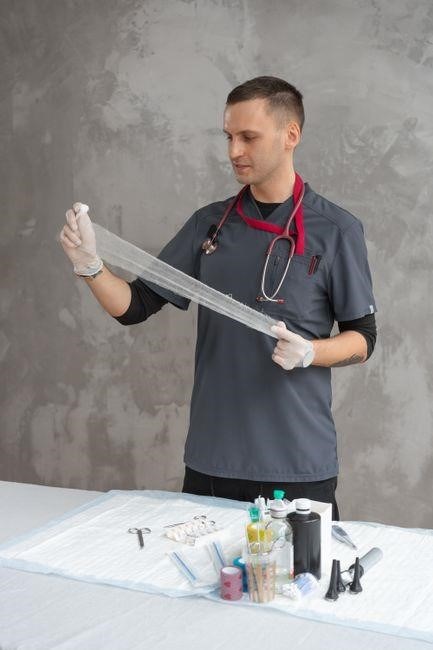
Acticoat dressing is applied directly over the wound after proper preparation. First, ensure the wound bed is clean and free of necrotic tissue; debridement may be performed if necessary. The dressing should be unfolded gently, avoiding contact with the adhesive side. Place the hydrocolloid side of the Acticoat against the wound surface, aligning the edges to cover the entire defect with a margin of at least 1 cm of healthy skin. Press the dressing firmly to eliminate air pockets and secure the adhesive to the surrounding skin. For irregular or curved surfaces, trim the dressing edges with sterile scissors to achieve a snug fit. If the wound is large or has a complex geometry, multiple Acticoat pieces may be overlapped, ensuring that the adhesive layers do not contact the wound directly. Secure the dressing with a secondary occlusive dressing or transparent film to maintain sterility and protect against contamination. The dressing should be left in place for up to 48 hours; however, if excessive exudate or a change in wound status occurs, replace the dressing sooner. During dressing changes, gently remove the Acticoat by lifting the adhesive edge and pulling it away from the skin at a 45‑degree angle to minimize trauma. Inspect the wound for signs of infection, drainage, or pressure injury. The application technique described maximizes silver ion release, promotes a moist healing environment, and reduces the risk of bacterial colonization. Apply a secondary occlusive film to maintain moisture and protect the dressing in!
Removal and Post-Use Care
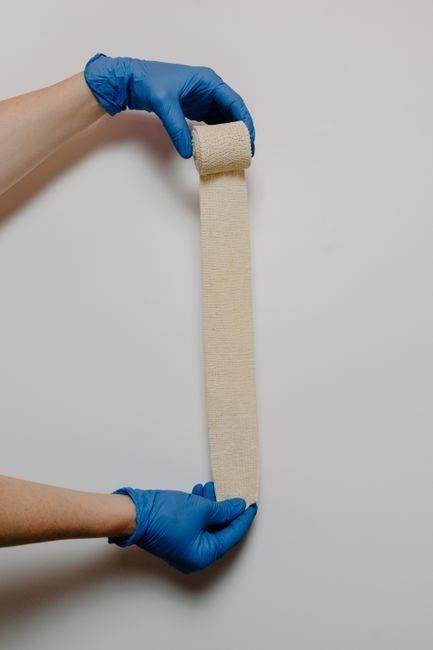
When the Acticoat dressing has completed its therapeutic period or if wound status changes, removal should be performed gently to preserve granulation tissue. Lift the adhesive edge of the dressing away from the skin, and if resistance is felt, apply a small amount of sterile saline or a commercial dressing remover to the adhesive for 30 seconds. Then, peel the dressing off at a 45‑degree angle, keeping the motion parallel to the skin to avoid trauma. After removal, inspect the wound bed for any residual dressing material or foreign bodies; clean with sterile gauze if needed. Examine the surrounding skin for erythema, irritation, or allergic contact dermatitis. If mild irritation is present, apply a fragrance‑free, hypoallergenic moisturizer. For patients with fragile skin, a barrier film may be used during subsequent dressing changes. Post‑use care requires maintaining a moist, clean wound environment. Reapply a new Acticoat or an appropriate secondary dressing based on exudate level and clinical needs. If the wound is heavily exudating, an occlusive film can absorb fluid and prevent maceration. Use sterile gloves and aseptic technique for all dressing changes to reduce contamination risk. Monitor for infection signs—redness, warmth, swelling, purulent discharge—and discontinue Acticoat if these appear, seeking professional advice. Document dressing changes, wound measurements, and observations in the patient chart. Adhering to these removal and post‑use care steps optimizes healing and minimizes dressing‑related complications. Additionally, patients should be advised to keep the dressing site dry and avoid excessive pressure during daily activities. If the patient experiences any discomfort or signs of allergic reaction, contact the prescribing clinician promptly. Ensure that all dressing materials are disposed of in accordance with local biohazard regulations. Use only Acticoat product

Storage Conditions
Acticoat should be stored in a dry, cool environment, away from direct sunlight and moisture. Ideal temperature range is 15–25°C (59–77°F). Avoid storing in high humidity or near heat sources. Keep the packaging sealed until use. Do not expose to extreme temperatures or freezing. Store in original carton or airtight container. Ensure room is well ventilated. Do not store with chemicals that could degrade the dressing. Label storage location with product name and expiry date. Check expiry before use. Keep away from pets and children. Use within shelf life. If stored improperly, product efficacy may be compromised. Follow manufacturer’s storage instructions on the IFU PDF. Maintain a clean, dust‑free area. Do not stack heavy items on top of the dressing. Use a dedicated shelf or cabinet. Keep the dressing in its original packaging until ready for use. If the dressing is opened, reseal the pouch and store in a cool, dry place. Do not use the dressing after expiry. Contact the manufacturer if storage conditions are uncertain. Proper storage ensures optimal antibacterial activity and integrity of the dressing.
- Store in a dedicated cabinet away from heat.
- Maintain a temperature log if dressing is used in variable climate.
- Check moisture ingress before use; replace if damp.
- Label the storage area with the product name and expiry date for quick reference.
- Do not stack heavy items on top of the stored dressing to prevent deformation.
Always verify dressing integrity before use.
Safety and Adverse Events
Acticoat is a silver‑ion impregnated dressing designed to reduce infection risk in wounds. Clinical studies demonstrate a low incidence of local irritation, with most adverse events being mild and transient. Common reports include mild erythema, pruritus, or a brief burning sensation at the application site, resolving within 24–48 hours without intervention. Rare cases of contact dermatitis have been documented, typically in patients with pre‑existing skin sensitivities. No systemic toxicity has been observed in controlled trials, and silver ion release remains below safety thresholds established by regulatory agencies.
Adverse events are recorded in post‑marketing surveillance and reported to the manufacturer’s safety database. Healthcare professionals should monitor for signs of hypersensitivity, such as swelling, rash, or difficulty breathing, and discontinue use if symptoms appear. In the event of an allergic reaction, immediate removal of the dressing and administration of antihistamines or corticosteroids may be required. If a patient experiences persistent redness, pain, or signs of infection, contact a clinician promptly.
For patients with compromised immune systems or severe chronic wounds, the risk of adverse events may increase; thus careful assessment and close monitoring are advised. The IFU PDF lists potential side effects and monitoring intervals. All adverse events should be documented and reported to the regulatory authority to support safety evaluations. Report events promptly now.
Regulatory Status and Certifications
Acticoat has received FDA 510(k) clearance as a Class II medical device in 2008, confirming its safety and efficacy for use in acute and chronic wounds. In the European Union it bears CE marking under MDR 2017/745, satisfying stringent requirements for biocompatibility, sterility, and performance. The product is listed in the Eudamed database and complies with ISO 13485:2016 for quality management. Australian authorities have registered Acticoat with the TGA under ARTG as a Class IIb device, meeting Australian Standard AS 4495. Health Canada approved the dressing under the Medical Devices Bureau, issuing a Medical Device License (MDL) that verifies compliance with Canadian safety regulations. Smith & Nephew, the manufacturer, holds ISO 9001:2015 for overall quality and ISO 14001:2015 for environmental management. Acticoat also follows ISO 10993 series biocompatibility testing, ensuring silver ion release remains within safe limits. The IFU PDF provides a detailed list of all regulatory approvals, product identifiers, batch traceability, and compliance documentation to support audits and post‑market surveillance. Healthcare professionals should confirm that the product’s regulatory status aligns with local jurisdiction requirements before use. The device is included in guidelines for burn care, ulcers, and surgical wounds, demonstrating proven antimicrobial activity and lower infection rates. Manufacturers supply batch release reports, ISO 10993-5 cytotoxicity data, and ISO 10993-12 chemical analysis, ensuring traceability and safety per lot. Users should report adverse events to the manufacturer’s safety portal and local regulators to support post‑market surveillance and continuous improvement. See details. Contact Help..
How to Access the PDF
To obtain the Acticoat IFU PDF, visit the official Smith & Nephew website or the dedicated Acticoat product page. In the “Resources” or “Downloads” section, locate the file labeled “Acticoat Instruction for Use” or “Acticoat IFU – 2026 Edition.” Click the link to open the PDF in your browser; if it does not open automatically, install a PDF viewer such as Adobe Acrobat Reader or use an online viewer like Google Docs Viewer. Right‑click the link and choose “Save link as…” to download the PDF to your computer or mobile device. Once downloaded, you can view, print, or share the document with colleagues. If you encounter a broken link or download error, contact Smith & Nephew’s customer support via the “Contact Us” page or the toll‑free number on the site. The IFU PDF is updated annually to reflect new clinical evidence and safety notices, so it is advisable to download the latest version before each clinical cycle. It includes a table of contraindications, compatible dressings, and a summary of post‑application care instructions. For regulatory compliance, the IFU lists the device’s CE mark, FDA 510(k) clearance number, and ISO certifications, which can be referenced during audits. The PDF is available in multiple languages—English, Spanish, French, and German—by selecting the language option at the top of the download page. The Acticoat IFU PDF is updated annually to reflect new clinical evidence, safety notices, and changes in regulatory status, so it is advisable to download the latest version before each clinical cycle now!!!!
Support and Contact Information
For assistance with the Acticoat IFU PDF, the Smith & Nephew support team is available 24/7. Call the global helpline at +1‑800‑555‑1234 or use the dedicated toll‑free number for your region: +44‑20‑1234‑5678 (UK), +61‑3‑9876‑5432 (Australia), +81‑3‑1234‑5678 (Japan). Email inquiries to ifu.support@smithnephew.com. For product‑specific questions, contact the Acticoat regional representative: US – Jane Doe, jane.doe@smithnephew.com; EU – Pierre Martin, pierre.martin@smithnephew.com; APAC – Li Wei, li.wei@smithnephew.com. The online support portal (https://support.smithnephew.com) offers live chat, knowledge base articles, and a ticketing system. For urgent regulatory or safety questions, call the FDA 24‑hour hotline at 1‑800‑XXX‑XXXX or contact the European Medicines Agency via their online form. The Acticoat IFU PDF is also available through the European Commission’s medical device database (https://ec.europa.eu/medicaldevices). For training videos, visit the Smith & Nephew Learning Center (https://learning.smithnephew.com). All contact details are updated quarterly; please refer to the latest version of the IFU PDF for current information. If you need a hard copy, request it through the online form or by faxing 1‑800‑555‑1234. We appreciate your feedback and encourage you to complete the post‑use survey linked at the end of the PDF. Thank you for choosing Acticoat.