manual transmission utv
Manual transmission UTVs offer a distinct driving experience, blending driver control with mechanical simplicity, appealing to enthusiasts seeking engagement and reliability.
These systems, utilizing traditional gear-driven setups, contrast with the prevalent automatic options, providing a unique connection to the machine.
What is a Manual Transmission UTV?
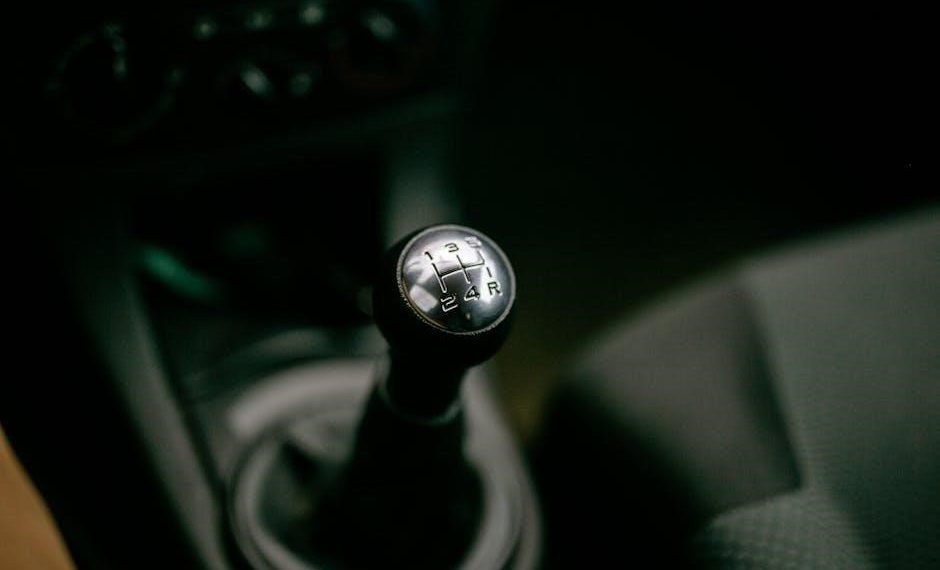
A manual transmission UTV fundamentally differs from its automatic counterparts by requiring the operator to actively select gears using a shift lever and clutch. Unlike continuously variable transmissions (CVTs) or dual-clutch transmissions (DCTs), it employs a traditional gearbox with fixed gear ratios;
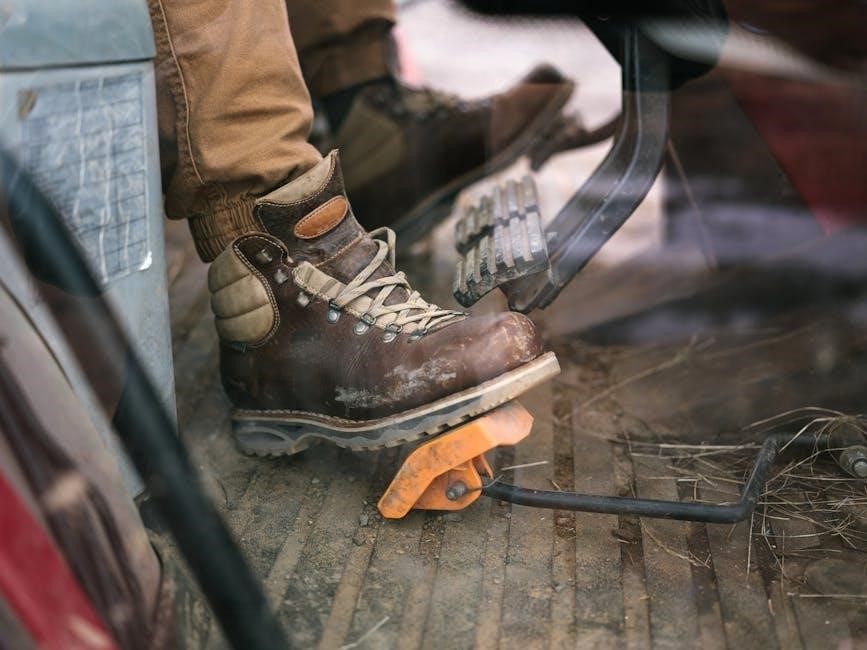
This means the driver directly controls engine power transfer to the wheels, choosing the optimal gear for varying terrains and speeds. These UTVs utilize a foot-operated clutch pedal, disengaging the engine from the transmission to allow for smooth shifting between gears. This system provides a more direct mechanical link between the engine and the wheels.
Why Choose a Manual Transmission?
Opting for a manual transmission UTV appeals to drivers prioritizing control and engagement. The direct mechanical connection fosters a more immersive driving experience, allowing precise power delivery and enhanced responsiveness. Many enthusiasts appreciate the increased reliability and durability often associated with simpler, gear-driven systems.
Furthermore, manual UTVs can offer improved torque management, particularly beneficial for challenging terrains. While requiring a steeper learning curve, the benefits of driver control and a potentially lower upfront cost make them attractive to specific riders.
Understanding the Mechanics
Manual transmission UTVs rely on a complex interplay of gears, a robust clutch system, and precise shifting mechanisms to transfer engine power to the wheels.
Gear-Driven Systems Explained
Gear-driven systems in manual transmission UTVs represent a departure from the common belt-driven Continuously Variable Transmissions (CVTs). These systems utilize a series of interlocking gears to provide distinct and fixed gear ratios.
This mechanical intricacy offers increased durability and direct power transfer, though it introduces greater complexity in manufacturing and maintenance. Unlike CVTs, gear systems don’t rely on belt tension, enhancing reliability.
The precise engagement of these gears delivers a more connected feel for the driver, offering a traditional and robust drivetrain experience.
The Clutch System in UTVs
The clutch system is central to operating a manual transmission UTV, acting as the intermediary between the engine and the gearbox. It allows the driver to temporarily disconnect the engine’s power, enabling smooth gear changes.
Typically, UTV clutches are multi-plate wet clutches, immersed in oil for cooling and lubrication, enhancing durability. Engaging the clutch gradually re-establishes power transfer.
Proper clutch maintenance, including adjustment and fluid checks, is crucial for optimal performance and preventing premature wear.
How Manual Shifting Works
Manual shifting in UTVs requires coordinating the clutch and shift lever. Depressing the clutch disengages the engine, allowing the driver to select a different gear with the lever.
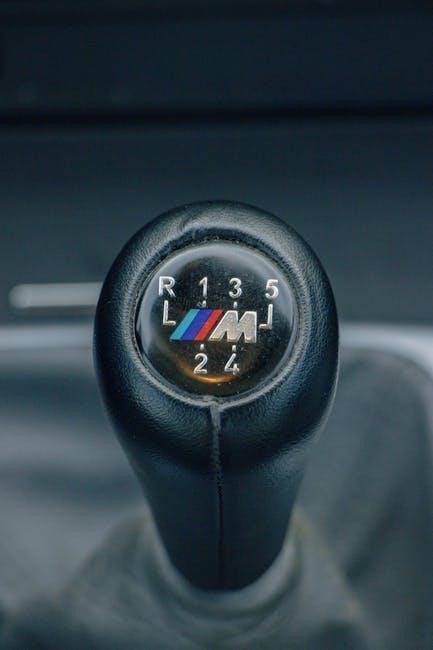
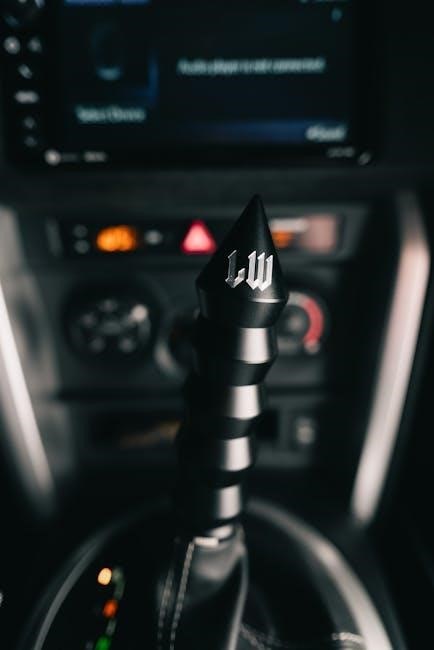
The gear lever moves through a defined pattern – typically a ‘H’ pattern – to engage various gear ratios, influencing speed and torque.
Releasing the clutch smoothly re-engages the engine, transferring power through the selected gear. Mastering this coordination is key to efficient and controlled operation.
Benefits of Manual Transmission UTVs
Manual UTVs deliver enhanced control, improved torque, and greater reliability due to their simpler, gear-driven systems, fostering a direct connection with the machine.
Enhanced Control and Driver Engagement
Manual transmission UTVs place the driver firmly in command, demanding active participation in gear selection and clutch operation. This direct mechanical link fosters a heightened sense of control, especially crucial on challenging terrains.
Unlike automatic systems, drivers dictate power delivery, enabling precise adjustments for optimal performance. This engagement isn’t merely about operation; it’s about feeling connected to the machine, anticipating terrain changes, and mastering the art of shifting for a truly immersive experience.
The result is a more rewarding and satisfying ride, appealing to those who relish a hands-on approach to off-road adventures.
Improved Torque and Power Delivery
Manual transmissions in UTVs allow for a more direct transfer of engine power to the wheels, maximizing torque and responsiveness. Drivers can select the optimal gear for any situation, ensuring the engine operates within its peak power band.
This control is particularly beneficial when navigating obstacles or climbing steep inclines, where consistent and readily available torque is essential. By avoiding the inherent losses associated with continuously variable transmissions (CVTs), manual systems deliver a more potent and predictable power output.
Ultimately, this translates to enhanced capability and performance in demanding off-road conditions.
Greater Reliability and Durability
Manual transmission UTVs generally boast increased reliability and durability compared to their automatic counterparts. The simpler, gear-driven design contains fewer complex components prone to failure, reducing potential maintenance needs.
Unlike CVTs which rely on belts that can wear and break, manual systems utilize robust gears capable of withstanding significant stress. This inherent robustness makes them well-suited for demanding applications and harsh environments.
Consequently, owners often experience lower long-term ownership costs and increased peace of mind.
Drawbacks of Manual Transmission UTVs
Manual transmission UTVs present challenges like a steeper learning curve, potential for driver fatigue, and the inherent complexity of gear-driven mechanics.
Steeper Learning Curve
Manual transmission UTVs demand a greater skillset from operators compared to automatic counterparts. Mastering clutch control, precise shifting, and coordinating throttle input requires practice and patience.
New riders may experience stalling, jerky movements, and difficulty navigating challenging terrain initially. The coordination needed for smooth operation isn’t intuitive for those accustomed to automatic systems.
However, this initial hurdle often translates into a more rewarding and connected driving experience once proficiency is achieved, fostering a deeper understanding of the machine.
Increased Driver Fatigue
Operating a manual transmission UTV, particularly on demanding trails, can lead to increased driver fatigue. Constant clutch engagement, repetitive shifting, and the need for precise coordination require sustained physical and mental effort.
Extended periods of operation, especially in technical terrain, can strain the operator’s left leg and hand, potentially causing discomfort or exhaustion.
This contrasts with the relative ease of automatic transmissions, where the machine handles gear selection, reducing the physical burden on the driver.
Complexity of Gear-Driven Systems
Manual transmission UTVs employ mechanically intricate gear-driven systems, presenting a higher level of complexity compared to continuously variable transmissions (CVTs). These systems involve numerous components working in precise synchronization – gears, shafts, and the clutch mechanism;
Diagnosing and repairing issues within these systems often requires specialized knowledge and tools, potentially increasing maintenance costs and downtime.
The intricate nature demands careful attention to detail during both operation and upkeep.
Manual vs. Automatic UTV Transmissions
UTV transmissions vary significantly; manuals offer control, while CVT and DCT options prioritize ease of use and efficiency, each with unique advantages.
CVT Transmissions: A Common Alternative
CVT (Continuously Variable Transmission) systems represent a dominant alternative to manual transmissions in the UTV world, prized for their smooth, seamless power delivery and user-friendliness.
Unlike traditional geared systems, CVTs utilize belts and pulleys to provide an infinite number of gear ratios within a range, optimizing engine performance for various terrains.
This results in consistent power without the need for shifting, reducing driver fatigue and simplifying operation, though some enthusiasts miss the direct control of a manual gearbox.
CVTs are generally less expensive than DCT systems.
DCT (Dual-Clutch Transmission) Options
DCT (Dual-Clutch Transmission) systems are emerging as a sophisticated alternative to both manual and CVT transmissions in select UTV models, offering the best of both worlds.
DCTs utilize two separate clutches for odd and even gears, enabling incredibly fast and smooth shifts without interrupting power delivery – a significant advantage in demanding conditions.
While providing a more engaging experience than a CVT, they are typically more complex and expensive than either manual or CVT options, requiring specialized maintenance.
They bridge the gap between automation and driver control.
Comparing Cost and Maintenance
Generally, UTVs equipped with manual transmissions represent a lower initial investment compared to those featuring CVT or DCT systems, offering a budget-friendly entry point.
However, long-term maintenance can vary; manual transmissions require periodic clutch adjustments and gearbox oil changes, demanding a degree of mechanical aptitude from the owner.
CVT systems, while initially pricier, often have simpler maintenance schedules, while DCTs are the most complex and potentially costly to repair.
Reliability is a key factor in overall cost.
Popular UTV Models with Manual Transmissions
Honda Foreman 500, Polaris Sportsman, and Yamaha Grizzly are renowned for offering robust manual transmission options, favored for their durability and control.
Honda Foreman 500
The Honda Foreman 500 stands as a long-standing icon in the UTV world, particularly celebrated for its dependable manual transmission. This model consistently delivers a raw, connected driving experience, appealing to riders who prioritize control and mechanical simplicity.
Its solid-axle design, coupled with the manual gearbox, makes it exceptionally capable on challenging terrains and ideal for work applications. Owners frequently praise its longevity and straightforward maintenance, making it a favorite for property management and recreational trails.
The Foreman 500’s manual shift provides precise gear selection, enhancing torque delivery and overall rider confidence.
Polaris Sportsman
Polaris Sportsman models, while predominantly known for their automatic transmissions, historically offered select trims with a manual transmission option, catering to a niche market desiring greater control. These manual Sportsman UTVs provide a more direct connection to the engine and drivetrain, enhancing the riding experience for enthusiasts.
Though less common now, these models are appreciated for their robust build and ability to tackle diverse terrains. The manual shift allows for precise gear selection, optimizing power delivery for work or recreational riding.
They represent a blend of Polaris innovation and traditional mechanics.
Yamaha Grizzly
Yamaha Grizzly ATVs have a strong reputation for durability, and certain older models featured a manual transmission option, appealing to riders who prefer a more involved driving experience. These manual Grizzlys offer a direct mechanical link, allowing for precise control over gear selection and engine braking.
This setup is favored by those who enjoy the tactile feedback and enhanced connection to the machine. While newer Grizzly models largely utilize automatic transmissions, the manual versions remain sought after by enthusiasts.
They embody Yamaha’s commitment to reliable performance.
Maintenance and Repair
Manual transmission UTVs require regular maintenance, including clutch adjustments and gearbox oil changes, to ensure optimal performance and longevity of the gear-driven system.
Clutch Maintenance and Adjustment
Clutch maintenance is crucial for manual transmission UTVs, directly impacting shifting smoothness and overall performance. Regular inspection for wear and damage is essential, alongside proper cable adjustment to ensure full engagement and disengagement.
Incorrect adjustment can lead to slipping, difficulty shifting, or even premature wear of clutch components. Periodic cleaning and lubrication of the clutch lever mechanism are also recommended. Consider aftermarket clutch kits for enhanced durability and performance, tailored to specific riding styles.
Gearbox Oil Changes
Gearbox oil changes are vital for maintaining the longevity and smooth operation of a manual transmission UTV. The oil lubricates internal gears, reducing friction and preventing wear. Follow the manufacturer’s recommended intervals for oil changes, typically based on mileage or operating hours.
Use the specified gear oil type to ensure compatibility and optimal performance. Inspect for metal shavings during the oil change, indicating potential internal damage. Proper oil levels are also critical; underfilling can cause damage, while overfilling can create drag;
Troubleshooting Common Issues
Manual transmission UTVs can experience issues like difficulty shifting, grinding gears, or a slipping clutch. Difficulty shifting often indicates low gear oil, a worn shift linkage, or internal damage. Grinding suggests synchronization problems or worn gears. A slipping clutch requires adjustment or replacement.
Regularly inspect the shift linkage for wear and proper adjustment. Check gear oil levels and condition. If problems persist, consult a qualified mechanic to diagnose and repair complex internal issues, preventing further damage.
Shifting Techniques for UTVs
Mastering smooth upshifts and downshifts is crucial for manual transmission UTVs, optimizing power delivery and minimizing stress on the drivetrain for optimal performance.
Upshifting and Downshifting
Successful upshifting in a manual transmission UTV involves smoothly releasing the accelerator, depressing the clutch, selecting the next higher gear, and gradually releasing the clutch while reapplying throttle.
Downshifting requires a similar process, but matching engine speed to the lower gear is vital to avoid jolts; this can be achieved through rev-matching techniques.
Precise timing and coordination are key, ensuring seamless transitions and maintaining momentum, especially across varied terrains. Practice makes perfect for fluid gear changes.
Using Engine Braking
Engine braking in a manual transmission UTV leverages the engine’s resistance to slow the vehicle, reducing reliance on the brakes, particularly during descents.
Downshifting to a lower gear increases engine RPM, creating a drag that assists in deceleration; this is especially useful on steep or slippery slopes.
Controlled engine braking minimizes wear on brake components and enhances stability, offering a safer and more controlled descent. Mastering this technique is crucial for skilled UTV operation.
Smooth Shifting for Different Terrains
Smooth shifting is paramount in a manual transmission UTV, adapting to varied terrains for optimal performance. On rocky trails, anticipate shifts and use a deliberate clutch action.
In muddy conditions, maintain momentum with precise gear selection, avoiding abrupt changes. Sandy terrain requires quicker, smoother transitions to prevent wheel spin.
Mastering terrain-specific shifting maximizes control, minimizes stress on the drivetrain, and ensures a comfortable and efficient ride across diverse landscapes.
Modifications and Upgrades
Aftermarket clutch kits, gear ratio changes, and shift lever extensions enhance manual transmission UTVs, tailoring performance and comfort to individual preferences.
Aftermarket Clutch Kits
Aftermarket clutch kits are a popular upgrade for manual transmission UTVs, designed to optimize power delivery and improve overall performance. These kits typically include springs, weights, and sometimes a new clutch basket, allowing for customized engagement points.
By adjusting these components, riders can fine-tune the clutch to match their specific riding style and terrain, enhancing low-end torque for technical trails or higher RPM performance for open areas. Proper installation and tuning are crucial to maximize benefits and avoid damage.
Choosing the right kit depends on factors like engine modifications and tire size.
Gear Ratio Changes
Gear ratio changes significantly impact a manual transmission UTV’s performance characteristics. Altering the final drive ratio—through sprocket or gearbox modifications—affects both acceleration and top speed.
Lower (numerically higher) ratios provide quicker acceleration and increased torque for challenging terrain, while higher ratios prioritize top-end speed for smoother trails. Careful consideration of riding conditions is essential when selecting new ratios.
These modifications require mechanical expertise and can influence fuel efficiency and driveline stress, so professional installation is often recommended.
Shift Lever Extensions
Shift lever extensions are a popular modification for manual transmission UTVs, primarily enhancing driver comfort and ease of operation, especially for those with longer legs or in challenging terrain.
These extensions effectively lengthen the reach to the shift lever, reducing the need to lean forward or strain during gear changes. They are typically constructed from durable materials like aluminum or steel.
Installation is generally straightforward, but ensuring a secure fit is crucial for maintaining precise shifting control and preventing accidental gear selection.
Safety Considerations
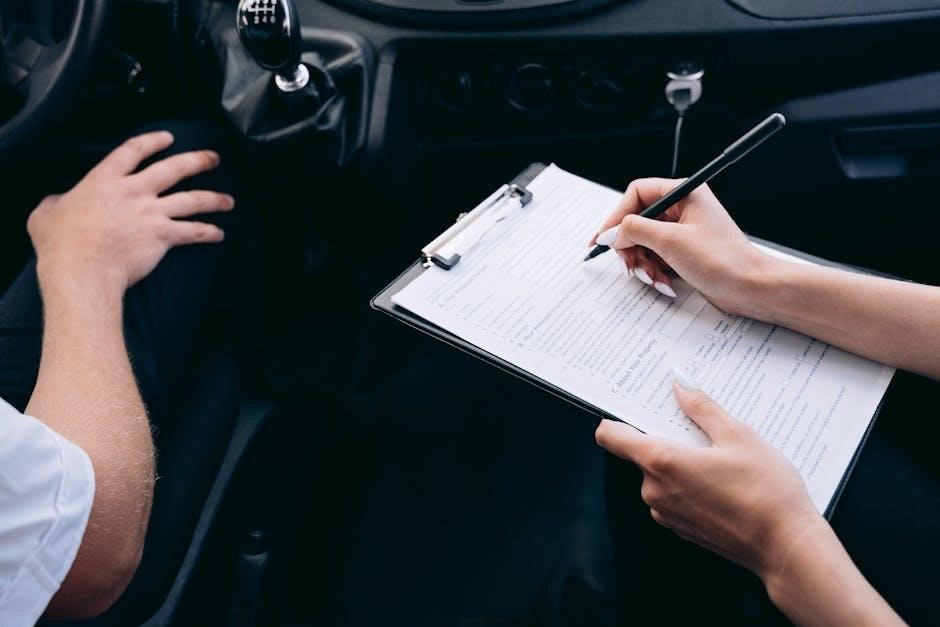
Safe operation of a manual transmission UTV demands proper shifting, understanding gear ratios, and preventing stalls to maintain control on varied terrains.
Proper Shifting Techniques
Mastering shifting in a manual transmission UTV is crucial for both performance and safety. Smoothly depress the clutch, select the appropriate gear, and release the clutch gradually while applying throttle.
Avoid abrupt shifts, which can cause loss of traction or control. Anticipate terrain changes and downshift before climbs, and upshift during descents to maintain optimal engine speed.
Practice coordinated movements to ensure seamless transitions between gears, enhancing the overall driving experience and minimizing wear on the drivetrain components.
Understanding Gear Ratios
Gear ratios in a manual transmission UTV dictate the balance between torque and speed. Lower gears provide increased torque for climbing or navigating obstacles, while higher gears offer greater speed on flat terrain.
Knowing your UTV’s gear ratios allows you to select the optimal gear for any situation, maximizing efficiency and control.
A wider range of ratios enhances versatility, enabling confident performance across diverse landscapes and challenging conditions; Understanding these ratios is key to effective operation.
Avoiding Stalling and Loss of Control
Stalling a manual transmission UTV, especially on uneven terrain, can be dangerous. Maintaining sufficient speed and proper clutch control are crucial to prevent engine shutdown.
Smooth clutch engagement and coordinated throttle input are essential for avoiding sudden stops or loss of momentum.
Anticipate terrain changes and downshift proactively to maintain engine power. Practice smooth shifting to minimize the risk of losing control, ensuring a safe and enjoyable ride.
The Future of UTV Transmissions
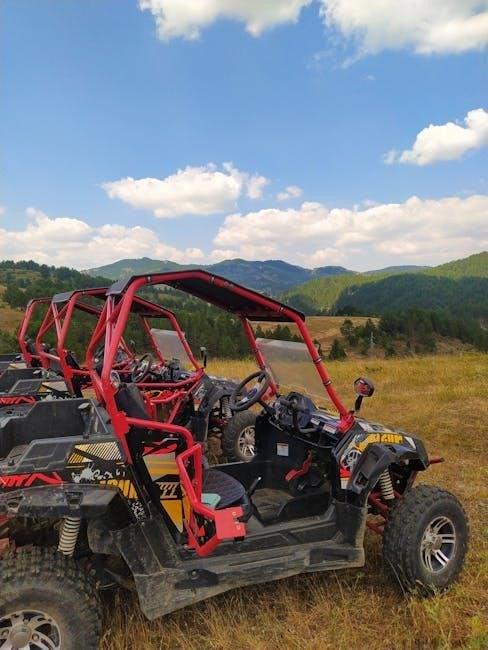
UTV transmission evolution includes semi-automatic systems and advanced manual technologies, while the rise of electric UTVs may redefine drivetrain approaches entirely.
Semi-Automatic Systems
Semi-automatic systems represent a fascinating bridge between traditional manual transmissions and fully automated options in UTVs. These systems employ actuators and an Electronic Control Unit (ECU) to manage shifting, effectively automating the clutch and gear changes.
While still requiring driver input for gear selection – often via paddle shifters or buttons – they eliminate the need for a traditional foot-operated clutch. This offers a blend of control and convenience, reducing driver fatigue while retaining a degree of mechanical connection. They represent a potential evolution for enthusiasts desiring a more accessible manual experience.
Potential for Advanced Manual Technologies
The future of manual transmissions in UTVs isn’t necessarily a return to purely mechanical systems, but rather an integration of advanced technologies; We might see electronically assisted shifting, offering smoother and faster gear changes without a full automatic system.
Furthermore, predictive shifting – utilizing GPS data and sensor input to anticipate gear needs – could enhance performance and efficiency. These advancements aim to preserve the driver engagement of a manual while mitigating fatigue and optimizing the overall riding experience, blending tradition with innovation.
Impact of Electric UTVs
The rise of electric UTVs presents a unique challenge and opportunity for manual transmission concepts. Traditional gearboxes become less critical with the instant torque delivery of electric motors, potentially rendering them obsolete.
However, some manufacturers might incorporate simulated manual modes for driver engagement, utilizing software to mimic gear shifts. This could offer a familiar experience for enthusiasts while leveraging the benefits of electric power. Ultimately, the future may see a divergence, with electric UTVs prioritizing single-speed systems and manual options becoming niche.