
cooking instructions for costco frozen pizza
Costco frozen pizzas offer convenience and value, but achieving optimal results hinges on understanding the specific cooking instructions. Proper preparation ensures a delicious, fully-cooked pizza experience.
Overview of Costco Frozen Pizza Varieties
Costco boasts a diverse selection of frozen pizzas, catering to various tastes. Popular choices include the classic pepperoni, supreme, and cheese varieties, alongside specialty options like the Kirkland Signature four cheese and the thin-crust combinations. Each pizza type, while generally following similar cooking instructions, may benefit from slight adjustments based on topping density and crust thickness. For instance, pizzas loaded with toppings might require a few extra minutes to ensure thorough heating. Understanding these nuances, and always referencing the box instructions, is key; Costco also frequently introduces limited-edition flavors, so checking the packaging is crucial for optimal results with each unique offering.
Why Follow Cooking Instructions?
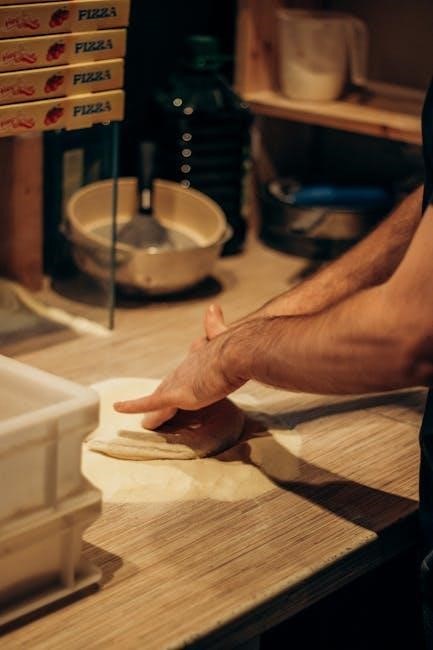
Adhering to the cooking instructions on your Costco frozen pizza is paramount for both food safety and quality. These guidelines ensure the pizza reaches an internal temperature of 165°F, eliminating potential bacteria. Deviating from recommended times and temperatures can result in an undercooked pizza, posing a health risk, or an overcooked one, sacrificing taste and texture. Costco meticulously tests cooking parameters for each variety, accounting for crust composition and topping distribution. Following these instructions guarantees a consistently delicious experience, maximizing your enjoyment and minimizing the risk of a disappointing meal. Ignoring them simply isn’t worth the potential downsides!

Understanding the Packaging & Instructions
Costco frozen pizza cooking instructions are conveniently located on the outside of the plastic wrap, eliminating the need to retain the cardboard box.
Locating Cooking Instructions on the Box
Finding the cooking instructions for your Costco frozen pizza is straightforward. Unlike some frozen foods, Costco prominently displays these details directly on the pizza’s plastic wrapping – meaning you don’t necessarily need to keep the cardboard box! Look for a clearly marked panel, usually on the side or top of the plastic.
This panel will contain vital information, including recommended oven temperatures, cooking times, and often, specific instructions for achieving the best results. Pay close attention to any notes regarding preheating or the use of a pizza stone. The instructions are designed to ensure the pizza is thoroughly cooked and safe to eat, so taking a moment to review them is crucial for a satisfying experience.
Decoding Temperature and Time Guidelines
Costco frozen pizza instructions typically recommend an oven temperature of 425°F (218°C) for standard baking, with a cooking time ranging from 12 to 15 minutes. However, many modern ovens feature a dedicated “Pizza” setting, often operating at a lower temperature of 400°F (204°C) but requiring a longer bake time of around 18 minutes.
These guidelines are starting points; oven variations exist. The time range accounts for differences in oven calibration. Always prioritize achieving an internal temperature of 165°F (74°C) to ensure the pizza is safely cooked. Observing the crust’s color – a golden-brown hue – is also a good visual indicator of doneness. Adjust cooking time slightly based on your oven’s performance.
Importance of Internal Temperature (165°F)
Reaching an internal temperature of 165°F (74°C) is crucial when cooking Costco frozen pizza, ensuring food safety by eliminating harmful bacteria. While visual cues like a golden-brown crust are helpful, they aren’t foolproof indicators of complete cooking. A food thermometer provides the most accurate assessment.
Insert the thermometer into the thickest part of the pizza, avoiding toppings. This guarantees the center has reached a safe temperature. Undercooked pizza may pose a health risk, while overcooking can lead to a dry, unpleasant texture. Prioritizing the 165°F threshold delivers both safety and optimal enjoyment of your Costco pizza.
Preheating & Oven Preparation
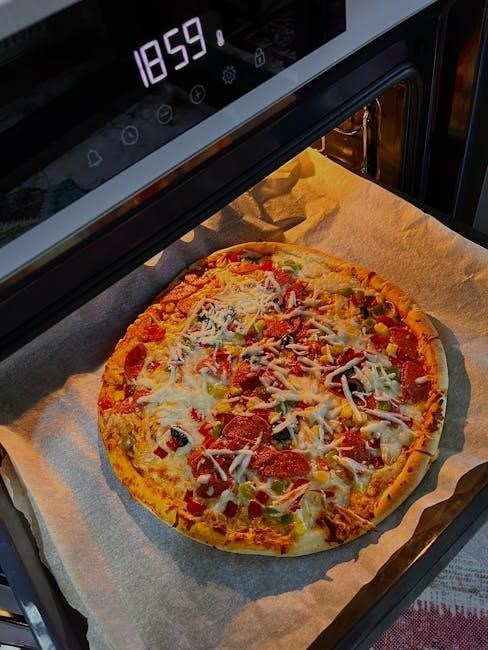
Proper preheating to 425°F is essential for even cooking. Allow sufficient time for the oven to reach temperature, maximizing baking performance and results.
Optimal Oven Temperature (425°F)
Maintaining an oven temperature of 425°F is widely recommended for cooking Costco frozen pizzas, ensuring the crust becomes golden brown and delightfully crispy. This temperature facilitates thorough cooking, reaching the crucial internal temperature of 165°F for food safety. While some modern ovens offer a dedicated “Pizza” setting, often operating at 400°F, 425°F generally yields superior results, particularly for achieving a well-structured base.
Consistent heat distribution at this level cooks the toppings evenly while preventing a soggy crust. Deviating significantly from this temperature may necessitate adjustments to the cooking time, potentially leading to undercooked or overcooked sections. Always verify your oven’s accuracy with an oven thermometer for best outcomes.
Preheating Time for Best Results
Allowing your oven to preheat fully is paramount when cooking Costco frozen pizza. A minimum preheating time of 20-30 minutes at 425°F is crucial for establishing consistent and even heat distribution. This ensures the pizza cooks thoroughly from the base up, preventing a soggy bottom and promoting a crispy crust. Rushing this step can lead to uneven cooking, with the center remaining partially frozen while the edges burn.
If utilizing a pizza stone, preheating the stone along with the oven is highly recommended – for at least 30 minutes. A thoroughly heated stone delivers exceptional crust crispness. Patience during preheating directly translates to a superior pizza experience, maximizing the quality of this convenient meal.
Using a Pizza Stone or Baking Sheet
For optimal results, consider your cooking surface. A pizza stone, preheated alongside the oven, delivers a remarkably crispy crust by rapidly absorbing moisture. If using a stone, avoid placing the frozen pizza directly onto a cold stone – this can cause cracking. Alternatively, a standard baking sheet works well, though may yield a slightly less crispy base.
Lightly grease the baking sheet with cooking spray or line it with parchment paper to prevent sticking. Regardless of your choice, ensure the surface is oven-safe to 425°F. Placing the pizza directly on the oven rack isn’t advised, as potential drips can cause a mess and uneven cooking.
Cooking Methods – Detailed Instructions
Detailed instructions vary, but generally, Costco frozen pizzas require baking at 425°F for 12-15 minutes, or utilizing the dedicated “Pizza” setting on modern ovens.
Standard Oven Baking Instructions
For consistently excellent results with your Costco frozen pizza using a standard oven, preheating is crucial. Set your oven to 425°F (218°C) and allow sufficient time for it to reach this temperature – typically 15-20 minutes. Place the frozen pizza directly onto a baking sheet or, ideally, a preheated pizza stone.
The recommended baking time generally falls within the 12-15 minute range. However, closely monitor the pizza during the final few minutes. Visual cues, such as a golden-brown and bubbly cheese topping, and a crisp, golden-brown crust, indicate doneness. Always verify the internal temperature reaches 165°F (74°C) for food safety.
Time Range (12-15 Minutes)
When baking a Costco frozen pizza in a standard oven preheated to 425°F, anticipate a cooking time between 12 and 15 minutes. This timeframe serves as a guideline, as oven variations and pizza type can influence the final result. Begin checking for doneness around the 12-minute mark.
Rotate the pizza halfway through baking to promote even cooking. Pay close attention to the crust – it should be golden brown and crispy. The cheese should be melted, bubbly, and lightly browned. Remember to confirm an internal temperature of 165°F (74°C) using a food thermometer for safe consumption. Adjust baking time accordingly if needed.
Checking for Doneness – Crust Color
A visually reliable indicator of a perfectly cooked Costco frozen pizza is the crust’s color. Aim for a golden-brown hue, signifying a crispy and thoroughly baked base. Avoid a pale or doughy appearance, which suggests the pizza requires additional cooking time. However, be cautious not to overbake, as this can lead to a burnt crust.
Inspect the edges of the crust first, as they typically brown faster. The underside of the pizza should also be crisp and golden. Combine visual assessment with checking the internal temperature (165°F) for guaranteed doneness. A beautifully browned crust is a key element of a satisfying pizza experience!
Pizza Setting on Modern Ovens (400°F, 18 Minutes)
Many contemporary ovens feature a dedicated “Pizza” setting, offering a convenient alternative to standard baking. When utilizing this setting, a temperature of 400°F for approximately 18 minutes is generally recommended for Costco frozen pizzas. This setting often optimizes heat distribution for even cooking, resulting in a crispier crust and well-melted toppings.
One user reported excellent results using this method, preheating a pizza stone for 30 minutes beforehand. While the pizza setting simplifies the process, always monitor the pizza closely during the final few minutes to prevent burning. Adjust cooking time slightly based on your oven’s performance.
Adjusting for Different Oven Types
Oven variations significantly impact cooking times. Convection ovens typically cook faster; reduce the recommended time by a few minutes and monitor closely to avoid burning. For older ovens, or those known for uneven heating, a longer cooking time might be necessary, potentially extending beyond the 15-minute range.
Gas ovens often require slightly higher temperatures than electric ovens to achieve the same results. Always check for a golden-brown crust and an internal temperature of 165°F. Experimentation is key – start with the standard instructions and adjust based on your oven’s unique characteristics for the perfect Costco pizza.

Thawing Considerations
Thawing Costco frozen pizza before cooking promotes more even heating and a superior texture, though it isn’t strictly required for successful baking.
Benefits of Thawing Before Cooking
Thawing a Costco frozen pizza, even partially, offers several advantages over cooking it directly from frozen. Primarily, it significantly improves the consistency of the bake, ensuring the center fully heats through before the crust becomes overly browned or burnt. This is because a frozen center requires a longer cooking time, potentially sacrificing crust quality.
Furthermore, thawing allows for better ingredient integration. The cheese melts more evenly, and the toppings become more cohesive with the sauce and crust. While not essential, especially with modern ovens and pizza settings, thawing generally results in a more enjoyable and restaurant-quality pizza experience. It’s particularly beneficial for pizzas with thicker crusts or substantial toppings.
Safe Thawing Methods
When thawing your Costco frozen pizza, prioritize food safety. The recommended method is to transfer the pizza from the freezer to the refrigerator and allow it to thaw slowly overnight. This maintains a safe temperature, preventing bacterial growth. Avoid thawing at room temperature, as this can create a breeding ground for harmful microorganisms.
If you’re short on time, you can use the cold water method. Place the pizza (in its original packaging, ensuring it’s sealed) in a leak-proof bag and submerge it in cold water, changing the water every 30 minutes. Never use warm or hot water, as this encourages bacterial proliferation. Once thawed, cook the pizza immediately to ensure optimal safety and quality.

Post-Cooking & Serving
Allow the cooked Costco pizza to cool for a few minutes before slicing and serving; this ensures cleaner cuts and prevents burnt mouths!
Cooling Time Before Slicing
Resisting the immediate urge to slice into a freshly baked Costco frozen pizza is crucial for optimal enjoyment. Allowing a cooling period of approximately 5-10 minutes post-oven is highly recommended. This brief rest allows the melted cheese to set slightly, preventing it from sliding off in messy, stringy strands with the first cut.
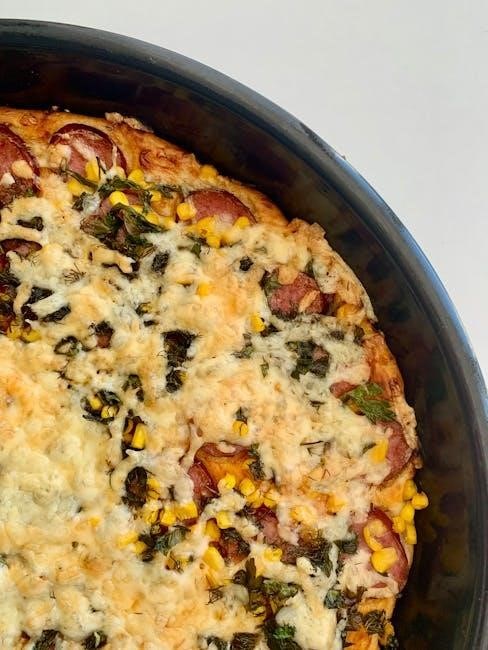
Furthermore, the internal temperature of the pizza remains incredibly high immediately after cooking. Slicing too soon can result in a somewhat distorted shape as the structure hasn’t fully stabilized. A short cooling phase also provides a safer handling experience, reducing the risk of accidental burns. Patience truly pays off, delivering neater slices and a more satisfying pizza experience overall.
Serving Suggestions & Pairings
A perfectly cooked Costco frozen pizza is a fantastic meal on its own, but thoughtful pairings can elevate the experience. Classic accompaniments include a crisp garden salad with a light vinaigrette, offering a refreshing contrast to the rich pizza flavors. Garlic bread or breadsticks are also popular choices for soaking up any leftover sauce.
For beverages, a cold beer or sparkling Italian soda complements the pizza beautifully. If you prefer non-alcoholic options, iced tea or lemonade are excellent choices. Consider a side of fresh fruit for a sweet and healthy finish. Don’t forget a sprinkle of red pepper flakes or a drizzle of garlic-infused oil for an extra burst of flavor!
Troubleshooting Common Issues
Addressing common problems like uneven cooking, soggy crusts, or burnt toppings ensures a satisfying pizza. Adjust time and temperature for best results!
Unevenly Cooked Pizza
Experiencing an unevenly cooked Costco frozen pizza is a frequent concern. This often stems from inconsistent oven temperatures or improper placement within the oven. Ensure your oven is fully preheated to 425°F (or 400°F when using the pizza setting) before introducing the pizza. Rotate the pizza halfway through the cooking process – around the 6-8 minute mark for standard baking – to promote even heat distribution.
If your oven has hot spots, consider using a pizza stone or baking steel, preheated alongside the oven, to help regulate temperature. Also, avoid overcrowding the oven with other items, as this can hinder airflow and contribute to uneven cooking. Checking the internal temperature with a food thermometer is crucial; it should reach 165°F throughout the pizza.
Soggy Crust Solutions
A soggy crust is a common issue with frozen pizzas, but easily addressed. Ensuring proper preheating – to 425°F – is the first step. Avoid placing the pizza directly on oven racks; instead, utilize a pizza stone, baking steel, or a preheated baking sheet. These surfaces draw moisture away from the crust, promoting crispness.
Consider briefly broiling the pizza for the last 1-2 minutes of cooking, carefully monitoring to prevent burning. This adds direct heat to the crust. Thawing the pizza slightly before baking (though not essential) can also help reduce sogginess. Finally, avoid adding extra toppings that release moisture during cooking, like fresh tomatoes.
Burnt Toppings Prevention
Preventing burnt toppings on your Costco frozen pizza requires careful monitoring and potential adjustments to cooking time. If you notice the cheese or pepperoni browning too quickly, lower the oven temperature by 25°F. Shielding the toppings with small pieces of aluminum foil during the latter part of the baking process can also be effective.
Utilizing the “Pizza Setting” on modern ovens, which typically operates at 400°F for around 18 minutes, can offer more controlled heating. Regularly check the pizza’s progress, especially during the final minutes, and rotate it for even cooking. Remember, a golden-brown crust doesn’t necessarily mean burnt toppings!

Costco Membership & Online Shopping
Costco members can conveniently purchase frozen pizzas online at Costco.com, requiring membership registration and number entry for access to exclusive deals.
Registering for Online Shopping at Costco.com
While not directly related to cooking instructions, accessing Costco’s online platform allows convenient pizza purchases. If you’re already a Costco member but haven’t registered for online shopping, select “Create Account” and follow the guided steps. This process links your existing membership to an online profile.
You’ll need your membership number, readily found on your Costco membership card, to complete the registration. Remember, registering online isn’t an application for membership itself; it simply unlocks online shopping privileges. Once registered, you can easily browse and order your favorite frozen pizzas, streamlining the process and ensuring you don’t miss out on potential savings or new varieties.
Using Your Membership Number Online
Although seemingly unrelated to cooking instructions, your Costco membership number is crucial for accessing online pizza ordering. When shopping at Costco.com, you’ll be prompted to enter your membership number if you’re a current member. This verifies your eligibility for member-exclusive pricing on frozen pizzas and other items.
Locate the number on your physical membership card – it’s a key identifier. Entering it correctly ensures you receive the benefits you’re entitled to. Maintaining an active membership doesn’t automatically register you online; separate registration is required. Successfully entering your number unlocks a world of convenient pizza shopping, allowing you to plan your next frozen pizza feast with ease.
Finding Products on Costco.com
While not directly related to cooking instructions, locating Costco’s frozen pizzas online is the first step towards enjoying them! Costco.com offers several ways to find your desired pizza. You can utilize the search bar at the top of the page, entering keywords like “frozen pizza” or specific varieties like “pepperoni.”
Alternatively, hover over the “Shop” tab to browse various categories. Navigating through these sections will lead you to the frozen food aisle, where you can view available pizza options. Clicking on a product’s image or name will display detailed information, including weight, price, and crucially, a link to the cooking instructions typically found on the packaging.