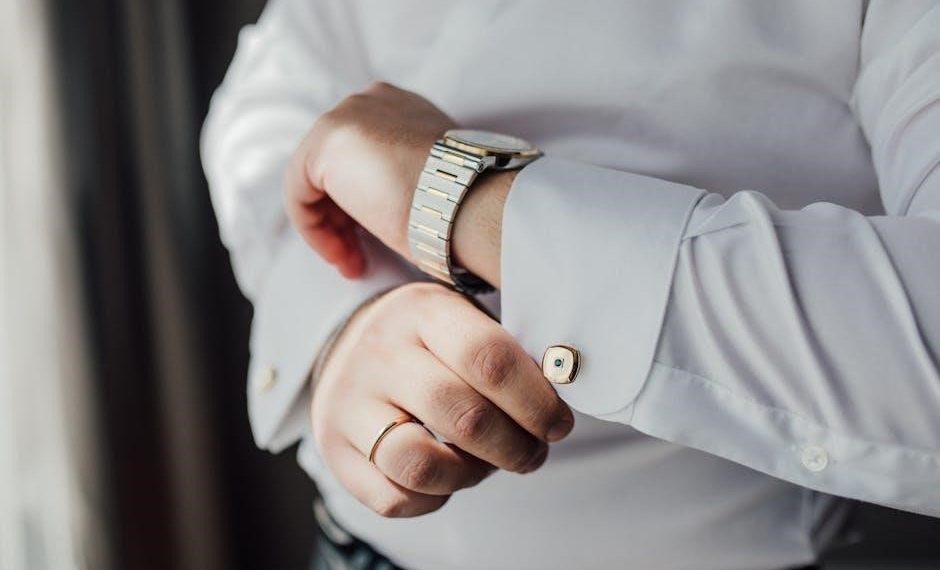
button up shirt size guide
Navigating button-up shirt sizes can be tricky, influenced by fit, brand, and individual measurements․ This guide simplifies the process, ensuring a comfortable and stylish fit for everyone․
Why Accurate Sizing Matters
Achieving a proper fit in a button-up shirt extends beyond mere aesthetics; it significantly impacts comfort and overall appearance․ A well-fitted shirt allows for a full range of motion without feeling restrictive, crucial for both professional and casual settings․ Ill-fitting shirts, whether too tight or too loose, can appear sloppy and detract from your personal style․
Furthermore, accurate sizing prevents unnecessary tailoring costs․ Investing in shirts that closely match your measurements minimizes the need for alterations, saving both time and money․ Understanding your body’s dimensions and how they translate to shirt sizes empowers you to make informed purchasing decisions, leading to a wardrobe filled with shirts that look and feel great․ Proper fit also enhances the shirt’s longevity, as strain on seams is reduced․
Understanding Different Shirt Fits
Button-up shirts aren’t one-size-fits-all; they come in various fits designed to flatter different body types and preferences․ Slim fit shirts are tailored close to the body, offering a modern, streamlined silhouette – ideal for those with a leaner build․ Regular fit provides a classic, comfortable cut with more room through the chest and waist, suitable for most body types․
Relaxed fit shirts offer the most generous cut, providing maximum comfort and ease of movement․ This style is often preferred for casual wear․ Understanding these distinctions is crucial; a slim fit on a larger frame can be constricting, while a relaxed fit on a smaller frame may appear shapeless․ Consider your body type and desired aesthetic when selecting a fit․

Key Measurements for Button-Up Shirts
Accurate measurements – chest, shoulder, sleeve length, and neck – are fundamental to finding the perfect button-up shirt fit and avoiding returns․
Chest Measurement
To obtain an accurate chest measurement, stand naturally with your arms relaxed at your sides․ Wrap a flexible measuring tape around the fullest part of your chest, keeping it level and snug, but not tight․ Ensure the tape is positioned under your armpits and across your shoulder blades․
Breathe normally during the measurement process; do not suck in your stomach or puff out your chest․ Record the measurement in inches or centimeters․ This measurement is crucial as it directly impacts the shirt’s comfort and fit across the torso․ Compare your chest measurement to the brand’s size chart to determine the appropriate shirt size․ Remember that some brands offer different fits – slim, regular, or relaxed – which will affect how the shirt fits even with the same chest measurement․
Shoulder Measurement
Accurately measuring your shoulders is vital for a well-fitted button-up shirt․ To begin, find the point where your shoulder meets your arm․ Using a flexible measuring tape, measure horizontally across your back from this point on one shoulder to the same point on the other․
Keep the tape straight and level, avoiding any curves․ This measurement determines how the shirt will sit across your upper back and shoulders․ A proper shoulder fit prevents pulling or bunching․ Compare your shoulder measurement to the specific brand’s size chart, as shoulder widths can vary significantly between manufacturers and fits (slim, regular, relaxed)․ A correctly sized shoulder ensures the shirt drapes nicely and allows for comfortable movement without restriction․
Sleeve Length Measurement
Determining the correct sleeve length is crucial for a polished look․ Start by measuring from the center back of your neck, over your shoulder, and down to your wrist bone․ Keep your arm slightly bent during this process․ This measurement dictates where the cuff will fall on your hand․
Remember that dress shirt sleeve lengths differ from casual shirt lengths; a 32/33 dress shirt might translate to a medium in casual wear․ Consider your personal preference – some prefer cuffs to hit at the wrist bone, while others like a bit more coverage․ Brand sizing also plays a role, so always consult the specific size chart․ Incorrect sleeve length can make a shirt appear ill-fitting, so precision is key for a refined appearance․
Neck Measurement
Accurately measuring your neck is fundamental to finding the right button-up shirt size․ Use a flexible measuring tape and wrap it snugly around the base of your neck, where the collar would naturally sit․ Ensure the tape is level and not too tight – you should be able to comfortably slide a finger underneath․
This measurement, typically in inches, directly corresponds to your shirt collar size․ Most brands follow standard neck-to-size ratios, but variations exist․ If your measurement falls between sizes, it’s generally advisable to size up for comfort, especially if you prefer a looser collar․ A collar that’s too tight restricts movement and looks unflattering, while one that’s too loose appears sloppy․ Prioritize a comfortable, yet tailored fit․

Standard US & International Size Charts
Below are typical size charts, but remember these are generalizations; brand variations are common, so always check specific brand guides for accuracy․
Men’s Button-Up Shirt Size Chart (US)
Understanding US men’s shirt sizes requires considering neck and sleeve length․ Neck sizes typically range from 14 to 18 inches, while sleeve lengths vary from 30 to 37 inches․ A common sizing convention combines these; for example, 15 32 indicates a 15-inch neck and 32-inch sleeve․
Here’s a general guide:
- Small (S): Neck 14-14․5”, Sleeve 32-33”
- Medium (M): Neck 15-15․5”, Sleeve 34-35”
- Large (L): Neck 16-16․5”, Sleeve 36-37”
- Extra Large (XL): Neck 17-17․5”, Sleeve 37-38”
- XXL: Neck 18-18․5”, Sleeve 38-39”
Chest measurement is also crucial; a difference of more than 2 inches from the standard size may necessitate sizing up․ Remember that fit (slim, regular, relaxed) impacts how a shirt feels, even with accurate measurements․
Men’s Button-Up Shirt Size Chart (International)
International shirt sizing differs from US standards, often using centimeters instead of inches․ European sizes (S, M, L, XL) correlate loosely with US sizes, but variations exist․ Generally, a US Medium equates to a European 48-50, but checking specific brand charts is vital․
Here’s a general conversion:
- Small (S): Chest 96-100cm, Neck 38-39cm
- Medium (M): Chest 104-108cm, Neck 40-41cm
- Large (L): Chest 112-116cm, Neck 42-43cm
- Extra Large (XL): Chest 120-124cm, Neck 44-45cm
- XXL: Chest 128-132cm, Neck 46-47cm
Asian sizing tends to run smaller; consider ordering one or two sizes up․ Sleeve length is also measured in centimeters․ Always prioritize chest and neck measurements for the best fit, as international standards aren’t universally consistent․
Women’s Button-Up Shirt Size Chart (US)
US women’s button-up shirt sizing typically ranges from XS to XXL, though variations occur between brands․ Sizes are based on bust and shoulder measurements, with some consideration for waist․ Unlike men’s shirts, women’s styles often feature a more tailored fit through the waist․
Here’s a general guide:
- XS (Extra Small): Bust 30-32 inches, Shoulder 13-14 inches
- S (Small): Bust 34-36 inches, Shoulder 14-15 inches
- M (Medium): Bust 38-40 inches, Shoulder 15-16 inches
- L (Large): Bust 42-44 inches, Shoulder 16-17 inches
- XL (Extra Large): Bust 46-48 inches, Shoulder 17-18 inches
Sleeve length is crucial for a flattering fit; Consider whether you prefer a longer or shorter sleeve․ Always check the brand’s specific size chart, as cuts and fits vary significantly․
Women’s Button-Up Shirt Size Chart (International)
International women’s button-up shirt sizing utilizes a numerical system, often correlating with US sizes but requiring careful conversion․ European sizes (36, 38, 40, etc․) differ from UK sizes (8, 10, 12, etc․)․ Understanding these differences is vital for accurate online purchases or when traveling․
Here’s a general conversion guide:
- EU 36: US Size XS (Bust 30-32 inches)
- EU 38: US Size S (Bust 34-36 inches)
- EU 40: US Size M (Bust 38-40 inches)
- EU 42: US Size L (Bust 42-44 inches)
- EU 44: US Size XL (Bust 46-48 inches)
UK sizes are typically two sizes larger than US sizes․ Always prioritize checking the specific brand’s size chart, as international sizing can be inconsistent․ Shoulder measurements remain important for a proper fit․

Dealing with Variations in Brands
Brand sizing varies significantly; a ‘medium’ in one brand may fit differently in another, necessitating careful review of each brand’s specific size chart․
Slim Fit vs․ Regular Fit vs․ Relaxed Fit
Understanding the different fits is crucial for selecting the right button-up shirt․ Slim fit shirts are tailored close to the body, offering a modern, streamlined silhouette – ideal for those preferring a more fitted appearance․ They generally have minimal excess fabric․
Regular fit, also known as classic fit, provides a comfortable, traditional cut with more room through the chest and waist․ This is a versatile option suitable for most body types and offers greater ease of movement․
Relaxed fit shirts are the loosest of the three, offering maximum comfort and a casual look․ They feature a generous cut throughout, providing ample room for layering or simply a more comfortable feel․ Consider your personal style and desired level of comfort when choosing between these fits․
Brand-Specific Size Differences
Recognizing that sizing isn’t standardized across all brands is vital․ Each manufacturer may interpret size charts differently, leading to variations even within the same labeled size․ Some brands run smaller or larger than others, impacting the overall fit of the shirt․
It’s always recommended to consult the specific size chart provided by the brand you’re purchasing from․ Reading customer reviews can also offer valuable insights into how a particular brand’s sizing typically runs․ Don’t solely rely on your usual size; always double-check measurements․
Furthermore, consider the brand’s target aesthetic – a brand focused on slim-fit styles might size smaller overall․ Prioritizing accurate measurements and brand-specific charts will significantly improve your chances of finding the perfect fit․
Tips for Finding the Perfect Fit
Prioritize accurate self-measurement, consider fabric stretch, and understand sleeve length nuances between dress and casual shirts for optimal comfort and style․
When to Size Up or Down
Determining whether to size up or down hinges on your measurements and desired fit․ If you fall between sizes, a smaller size generally provides a more tailored look, while a larger size offers greater comfort and ease of movement․
Consider your chest and shoulder measurements as primary indicators․ If your chest measurement is nearing the upper limit of a size, opting for the next size up is advisable․ Similarly, if your shoulder measurement dictates a larger size, prioritize that to avoid a constricted fit․
Also, think about the shirt’s intended use․ A more fitted shirt for professional settings might warrant sizing up for comfort during long wear, whereas a relaxed-fit casual shirt allows for more flexibility․ Always check brand-specific size charts, as variations are common․
Considering Shirt Material and Stretch

The fabric composition significantly impacts how a button-up shirt fits․ Materials like 100% cotton generally have minimal stretch, requiring a more precise fit based on your measurements․ If choosing a cotton shirt, prioritize comfort and allow for slight movement․
Conversely, shirts containing elastane or spandex offer greater flexibility and stretch․ These fabrics can accommodate a wider range of body shapes and sizes, potentially allowing you to size down slightly for a snugger fit․
Heavier materials, such as Oxford cloth or flannel, may feel more restrictive, so consider sizing up for enhanced comfort․ Lightweight fabrics, like linen or voile, often drape well and offer a more relaxed fit, potentially allowing for a closer size selection․
Understanding Sleeve Length Variations (Dress vs․ Casual)
Sleeve length conventions differ between dress and casual button-up shirts․ Dress shirts typically adhere to precise sleeve length measurements, often determined by collar size, with options like standard, long, or short sleeves․ A proper dress shirt sleeve should end where your wrist meets your hand․
Casual shirts offer more flexibility in sleeve length․ They often feature a more relaxed fit and may have variations like roll-tab sleeves, allowing you to adjust the length․ A common casual style involves sleeves that extend slightly past the wrist․
Generally, if you wear a 32/33 sleeve length in dress shirts, a medium size might suffice for casual shirts․ However, always verify the brand’s specific size chart, as variations exist․ Consider your personal preference for a more fitted or relaxed look․

Measuring Yourself Accurately
Precise self-measurement is crucial for finding the perfect fit․ Use a flexible measuring tape and, ideally, get assistance for accurate chest, shoulder, and sleeve readings․

Using a Flexible Measuring Tape
A flexible, non-stretch measuring tape is essential for accurate shirt sizing․ Avoid using metal tapes, as they don’t conform to your body’s curves․ When measuring, stand naturally and maintain good posture – don’t suck in your stomach or puff out your chest․ Ensure the tape is level and snug, but not tight, against your skin․
For the chest measurement, wrap the tape around the fullest part of your chest, keeping it under your armpits and parallel to the floor․ For shoulders, measure from the edge of one shoulder to the edge of the other․ Sleeve length is best measured from the center back of your neck, over your shoulder, and down to your wrist bone․ Record all measurements in inches or centimeters for consistency when comparing to size charts․
Getting Help with Measurements
Accurate self-measurement can be challenging, especially reaching back areas․ Enlist a friend or family member to assist with taking your measurements for greater precision․ Having another person ensures the measuring tape remains level and snug, avoiding common errors like holding the tape too loosely or at an incorrect angle․
They can easily reach your back for shoulder measurements and ensure the chest measurement is taken at the fullest part․ Explain clearly how to hold the tape – snug, but not constricting․ If visiting a tailor or clothing store, professionals can provide expert measurements․ Don’t hesitate to ask for assistance; a properly fitted shirt significantly enhances your appearance and comfort․