animal farm questions and answers pdf
Animal Kingdom: A Comprehensive Overview
The animal kingdom encompasses diverse, multicellular eukaryotic organisms, ranging from simple sponges to complex beings like humans and elephants․
Animals exhibit varied behaviors, including instincts and learned responses, adapting to terrestrial and aquatic habitats with unique characteristics․
Nutritional strategies differ, with herbivores, carnivores, and omnivores showcasing diverse diets, while reproduction involves varied breeding patterns․
Defining Animals: Biological Characteristics
Animals, classified within the Kingdom Animalia, are fundamentally multicellular organisms exhibiting a complex organizational structure․ Unlike bacteria, their genetic material – deoxyribonucleic acid, or DNA – resides within a membrane-bound nucleus, defining them as eukaryotic․ This characteristic is pivotal in understanding their biological complexity;
A defining feature is heterotrophic nutrition; animals obtain sustenance by consuming other organisms, contrasting with plants’ autotrophic capabilities․ Most animals reproduce sexually, though asexual reproduction occurs in some species, contributing to genetic diversity․ Furthermore, animals typically demonstrate mobility, enabling them to actively seek food and shelter․
Developmentally, animals undergo distinct stages, often involving embryonic development․ Their bodies are composed of specialized tissues and organs, facilitating complex functions․ These characteristics collectively distinguish animals and underpin their incredible diversity across the globe․
Animal Classification: Kingdom Animalia
Kingdom Animalia represents an extraordinarily diverse group, encompassing a vast array of life forms․ Traditionally, animals were categorized based on observable physical characteristics, leading to groupings like vertebrates (possessing a backbone) and invertebrates (lacking one)․ However, modern classification increasingly relies on evolutionary relationships, determined through genetic analysis․
Major phyla within Animalia include Chordata (vertebrates), Arthropoda (insects, crustaceans), Mollusca (snails, squid), and Echinodermata (starfish)․ Each phylum exhibits unique body plans and adaptations․ Further divisions occur within these phyla, creating classes, orders, families, genera, and ultimately, species․
This hierarchical system reflects the evolutionary history of animals, illustrating their interconnectedness․ Understanding this classification is crucial for studying biodiversity and ecological interactions within the animal kingdom․
Multicellularity and Eukaryotic Structure
Animals are fundamentally multicellular organisms, meaning their bodies are composed of numerous cells working in coordination․ This contrasts with unicellular organisms like bacteria․ Crucially, animal cells are eukaryotic – possessing a membrane-bound nucleus housing their DNA․ This distinguishes them from prokaryotic cells lacking a nucleus․
Eukaryotic cells contain specialized organelles, each performing specific functions, contributing to the complexity of animal life․ These organelles include mitochondria for energy production, ribosomes for protein synthesis, and a complex network of membranes for transport and communication․
Multicellularity allows for cell specialization and the development of tissues, organs, and organ systems, enabling animals to perform complex tasks and adapt to diverse environments․
Animal Behavior: Instincts and Learned Responses
Animal behavior is a fascinating blend of innate instincts and acquired learned responses․ Instincts are genetically programmed behaviors triggered by specific stimuli, crucial for survival – like a newborn mammal’s suckling reflex․ These are present from birth and require no prior experience․
However, animals aren’t solely driven by instinct․ Learned responses develop through experience, observation, and interaction with the environment․ This includes habituation, classical conditioning, and operant conditioning, allowing animals to adapt to changing circumstances․
The interplay between instinct and learning shapes an animal’s overall behavioral repertoire, influencing foraging, mating, predator avoidance, and social interactions․
Animal Habitats and Distribution
Animals inhabit diverse environments, from terrestrial forests and deserts to aquatic oceans, rivers, and lakes, showcasing remarkable adaptations․
Terrestrial Habitats: Forests, Deserts, and Grasslands
Terrestrial habitats present a wide array of challenges and opportunities for animal life, shaping their evolution and behavior․ Lush forests, teeming with biodiversity, offer ample resources but also intense competition for sunlight and space, fostering complex ecosystems․
In contrast, arid deserts demand exceptional adaptations for water conservation and temperature regulation, leading to specialized physiological and behavioral traits in resident species․ Animals here often exhibit nocturnal activity and efficient metabolic processes․
Grasslands, characterized by expansive open spaces and seasonal variations, support large grazing herbivores and their predators, creating dynamic predator-prey relationships․ These habitats require animals to be adept at long-distance travel and vigilance against threats․
Each terrestrial biome dictates unique survival strategies․
Aquatic Habitats: Oceans, Rivers, and Lakes
Aquatic habitats, encompassing vast oceans, flowing rivers, and serene lakes, represent a fundamentally different set of environmental pressures compared to terrestrial environments․ Oceans, the largest aquatic ecosystems, support an incredible diversity of life, from microscopic plankton to colossal whales, adapted to varying depths, salinity, and temperatures․
Rivers and lakes, as freshwater systems, present challenges related to current, oxygen levels, and nutrient availability, fostering unique communities of fish, amphibians, and invertebrates․ These habitats are often crucial for migratory species․
Animals inhabiting these realms exhibit specialized adaptations for locomotion, respiration, and osmoregulation, showcasing the power of natural selection in shaping life underwater․ The interconnectedness of these systems is vital․
Adaptations to Diverse Environments
Animal adaptations are the remarkable results of evolutionary pressures, enabling survival and reproduction in varied environments․ These adaptations can be structural, like the thick fur of arctic animals for insulation, or behavioral, such as migration patterns to follow food sources or breeding grounds․
Physiological adaptations, including specialized respiratory systems for aquatic life or efficient water conservation in deserts, are also crucial․ Camouflage, mimicry, and specialized diets represent further examples of how animals thrive․
The ability to adapt isn’t limitless; rapid environmental changes pose significant challenges․ Understanding these adaptations is key to appreciating biodiversity and conservation efforts․
Animal Diets and Nutrition
Animal nutrition varies greatly; herbivores consume plants, carnivores eat meat, and omnivores enjoy both, showcasing diverse dietary strategies for survival․
Herbivores: Plant-Based Diets

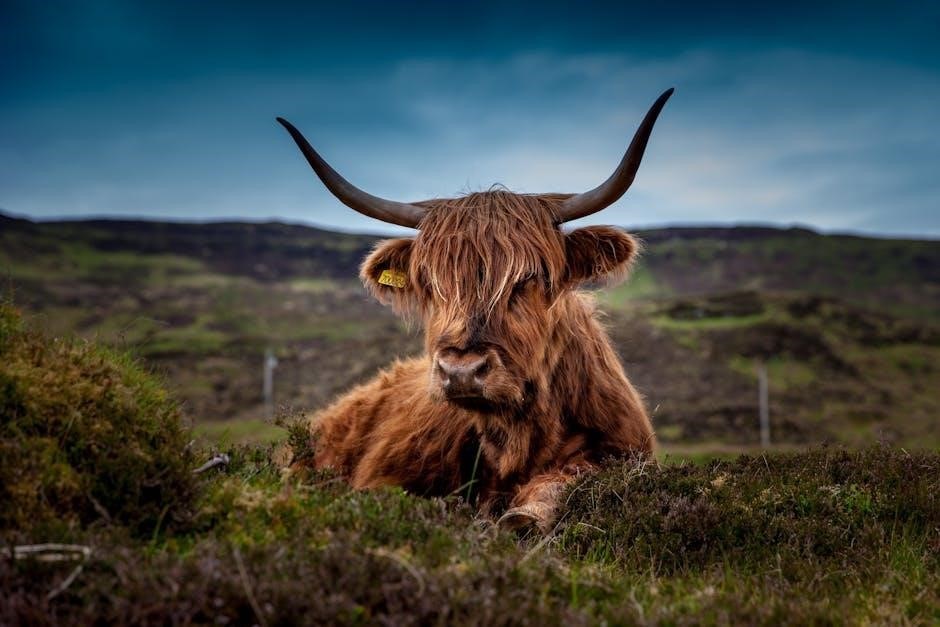
Herbivores are animals specifically adapted to consume plant matter as their primary food source․ This dietary specialization necessitates unique physiological adaptations for efficiently digesting cellulose, a complex carbohydrate abundant in plant cell walls․
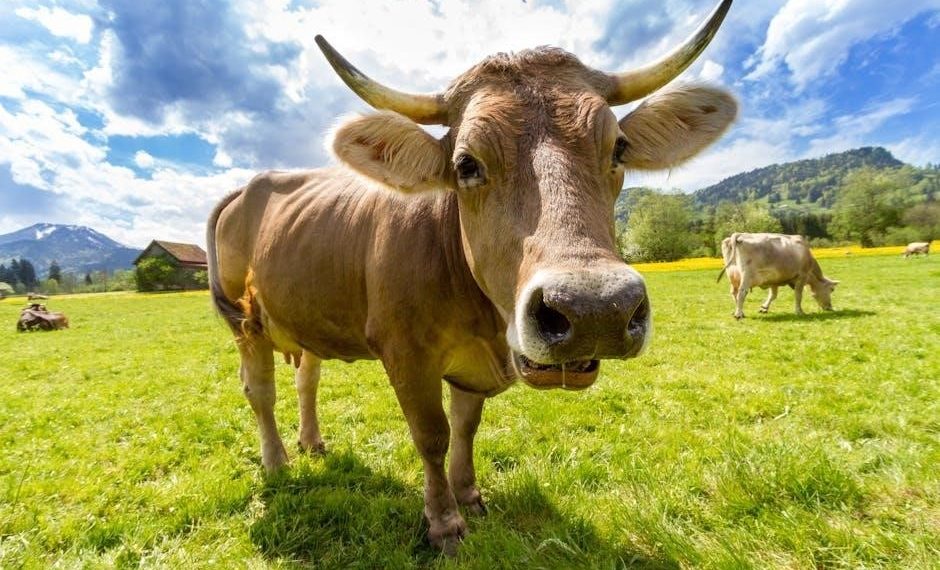
Examples range from massive elephants and giraffes browsing on leaves to smaller creatures like rabbits and deer grazing on grasses and forbs․ Their digestive systems often feature specialized chambers, like the rumen in ruminants (cows, sheep), harboring symbiotic microorganisms that aid in breaking down plant fibers․
Dental structures are also adapted for grinding vegetation, with broad, flat molars being common․ Herbivores play a crucial role in ecosystems by controlling plant growth and influencing vegetation patterns․ Their diets can include fruits, seeds, roots, and bark, depending on the species and available resources․
Carnivores: Meat-Based Diets
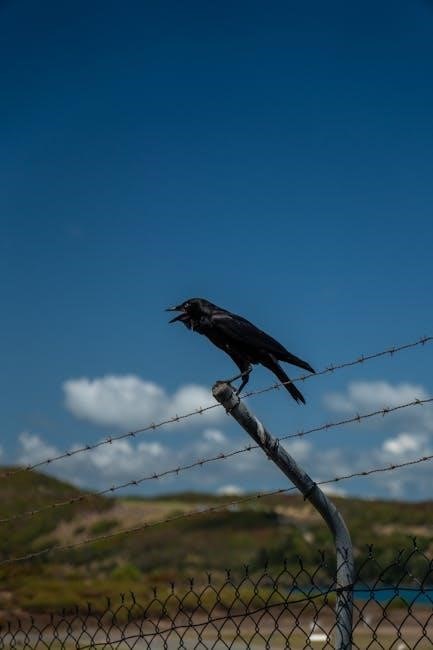
Carnivores are animals whose primary food source is the flesh of other animals․ This dietary strategy demands specific physiological and behavioral adaptations for hunting, capturing, and consuming prey․ Carnivores exhibit a wide range of hunting techniques, from the ambush predation of felines to the cooperative hunting strategies of wolves․
Their digestive systems are typically shorter and simpler than those of herbivores, as meat is more easily digested than plant matter․ Sharp teeth, particularly canines, are crucial for tearing flesh, and powerful jaws provide a strong bite force․
Carnivores occupy important roles in ecosystems, regulating prey populations and maintaining ecological balance․ Examples include lions, tigers, sharks, and eagles, each adapted to their specific hunting niche․
Omnivores: Varied Diets
Omnivores possess the remarkable ability to thrive on both plant and animal matter, showcasing dietary flexibility․ This adaptability allows them to exploit a wider range of food sources, increasing their chances of survival in fluctuating environments․ Their digestive systems are equipped to handle both cellulose-rich plants and protein-rich meats, featuring characteristics of both herbivores and carnivores․
Omnivores often exhibit opportunistic feeding behaviors, consuming whatever is most readily available․ This can include fruits, vegetables, insects, eggs, and small animals․
Examples of omnivores are incredibly diverse, encompassing species like bears, pigs, raccoons, and humans, demonstrating the evolutionary success of a varied diet․
Animal Reproduction and Life Cycles
Animal reproduction varies greatly, encompassing seasonal and year-round breeding patterns, leading to diverse developmental stages—from egg to fully grown adult․
Breeding Patterns: Seasonal and Year-Round
Animal breeding patterns demonstrate remarkable diversity, categorized broadly into seasonal and year-round strategies․ Seasonal breeding is tightly linked to environmental cues like temperature, rainfall, and daylight hours, ensuring offspring arrive during optimal conditions for survival․
Many bird species, for instance, breed during spring and summer when food is abundant for raising chicks․ Conversely, year-round breeding, common in some tropical species, allows for continuous reproduction when resources remain consistently available․
Factors influencing these patterns include food availability, predator pressure, and habitat suitability․ Successful reproduction is crucial for species continuation, and these patterns represent evolutionary adaptations maximizing reproductive success within specific ecological niches․ Understanding these patterns is vital for conservation efforts․
Developmental Stages: From Egg to Adult
Animal development is a fascinating journey, varying significantly across species, but generally progressing from egg to adult through distinct stages․ Many animals begin as a single fertilized egg, undergoing rapid cell division and differentiation – a process called embryogenesis․
This leads to the formation of a larva, an immature form often drastically different from the adult, as seen in insects and amphibians․ Metamorphosis, a dramatic transformation, then occurs, reshaping the larva into the adult form․
Other animals, like mammals, exhibit direct development, with offspring resembling miniature adults at birth․ These stages are governed by genetic programs and influenced by environmental factors, ultimately resulting in a fully developed, reproductive adult․
Animal Welfare and Ethical Considerations
Ethical treatment demands recognizing animal sentience, preventing abuse, and addressing suffering; responsible pet ownership is crucial for well-being․
Content depicting animal cruelty online requires careful scrutiny, and reporting abuse is a moral imperative for compassionate individuals․
Animal Abuse: Recognizing and Reporting
Recognizing animal abuse is the first step towards intervention, encompassing physical harm, neglect, and intentional cruelty․ Signs include visible injuries, extreme thinness, untreated medical conditions, and unsanitary living conditions․
Coercing animals to fight, maliciously mistreating them causing distress, or displaying content glorifying abuse are all forms of unacceptable behavior․ Online, content showing animal suffering without sufficient educational context is also concerning․
Reporting suspected abuse is vital; contact local animal control, humane societies, or law enforcement agencies․ Documenting evidence, such as photos or videos, can strengthen your report․ Your actions can save an animal from further harm and contribute to a more compassionate society․ Remember, silence enables cruelty․
Content Restrictions: Animal Suffering Online

Online content depicting animal suffering faces increasing scrutiny and restrictions․ Platforms actively moderate content showcasing malicious mistreatment, neglect, or abuse intended to shock or glorify cruelty․
Specifically prohibited is content forcing animals into fighting, or displaying distress without adequate educational, documentary, scientific, or artistic context․ Bullfighting, for example, often falls under these restrictions due to its inherent cruelty․
These policies aim to protect animals and prevent the normalization of harmful acts․ Reporting such content is crucial, enabling platforms to remove it and potentially assist animals in need․ Responsible online behavior contributes to a safer digital environment for all creatures, promoting empathy and respect․
Responsible Pet Ownership
Responsible pet ownership extends beyond providing food and shelter; it’s a lifelong commitment to an animal’s well-being․ This includes regular veterinary check-ups, preventative care like vaccinations, and a nutritious diet tailored to their species and needs․
Furthermore, it necessitates providing adequate enrichment, socialization, and training to ensure a happy and well-adjusted companion․ Understanding an animal’s behavioral needs and providing appropriate outlets for their energy is paramount․
Owners must also be prepared for the financial responsibilities associated with pet care, including unexpected medical expenses․ Ultimately, responsible ownership prioritizes the animal’s physical and emotional health, fostering a strong and loving bond․
Tools for Animal Identification
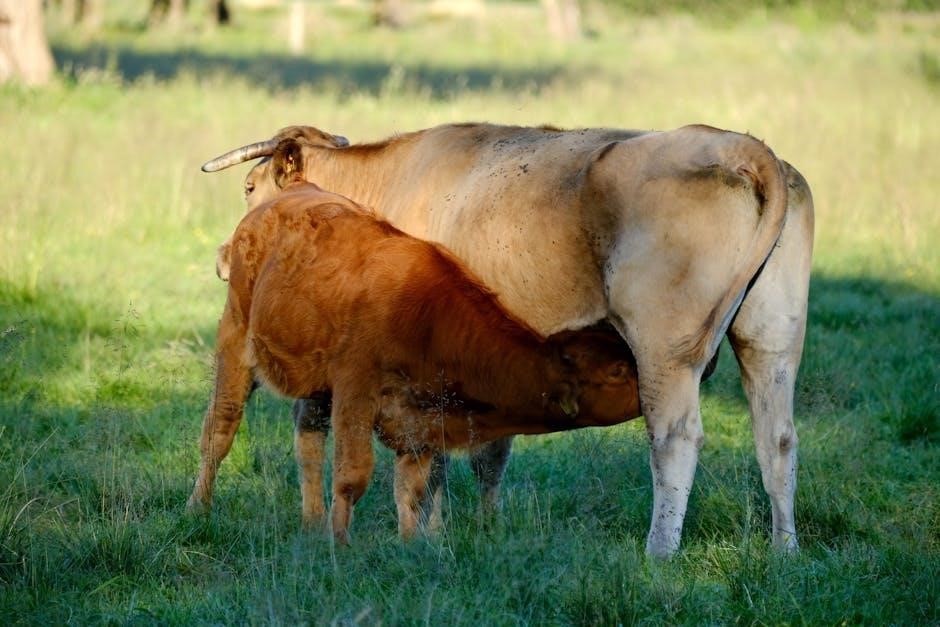
Google Lens facilitates animal recognition through image searches within Chrome, offering quick identification․ Describing animals using adverbs of manner enhances observational skills․
Using Google Lens for Animal Recognition
Google Lens is a powerful tool integrated within the Chrome browser, offering a remarkably convenient method for identifying animals encountered online or in the real world․ By simply selecting an image of an animal – whether it’s a photograph you’ve found during research or a snapshot taken with your camera – Google Lens can analyze its visual characteristics․
This analysis then provides relevant information, potentially identifying the species, offering links to further details about its habitat, diet, and behavior, and even directing you to related images․ It’s an incredibly accessible resource for both casual observers and dedicated researchers, streamlining the process of animal identification and expanding knowledge about the diverse animal kingdom․ The tool is remarkably efficient and user-friendly․
Describing Animals: Adverbs of Manner
Adverbs of manner provide vivid detail when characterizing animal behaviors, moving beyond simply what an animal does to how it performs an action․ These words – such as quickly, slowly, gracefully, clumsily, or ferociously – enrich descriptions, painting a more complete picture of an animal’s movements and habits․
Engaging in games centered around adverbs of manner can be a fun and educational exercise․ For example, one could choose an animal and then describe its actions using a series of adverbs, challenging others to guess the animal based solely on these behavioral descriptions․ This fosters observation skills and expands vocabulary, enhancing our understanding and appreciation of the animal kingdom’s diverse and fascinating behaviors․